
How Hot Should Your Cooking Oil Really Be?
Watching oil heat up can be nerve-wracking, but it doesn’t have to be. I’ve learned through trial and error that each oil has its own perfect temperature window for cooking.
By the end of this article, you’ll know exactly how to choose and heat oils for any dish.
- Why smoke point matters most
- Temperature charts for common oils
- My favorite oils for high-heat cooking
- Simple tests to check oil heat without a thermometer
Why Your Oil’s Temperature Is a Big Deal
Think of your cooking oil as a living botanical extract. Heat changes its nature.
The smoke point is your most important clue. This is the temperature where oil breaks down visibly, sending up thin wisps of smoke. That’s the science: heat breaks down triglycerides into smaller, volatile molecules that smoke.
That smoke is a clear distress signal; it means the oil is decomposing and creating compounds that can harm your food and your kitchen air. This is especially risky when using peanut oil in cooking, as it has a higher smoke point but can still burn if overheated.
When oil passes its smoke point, flavors turn bitter and acrid. Nutritionally, the beneficial fats oxidize, and the oil loses its wellness properties. Even olive oil isn’t ideal for high-heat frying.
Letting oil overheat is like ignoring a warning light on your car’s dashboard. It signals internal stress and potential damage you can easily avoid.
How to Check Your Cooking Oil Temperature (No Guesswork)
Trust a tool, not your eyes. I rely on two simple gadgets in my kitchen.
The first is a clip-on deep fry thermometer. It hooks onto your pot and gives you a constant, reliable readout. The second is a good instant-read digital thermometer for a quick check in a skillet.
For an accurate reading, make sure the sensor tip is suspended in the oil, not touching the bottom of the hot pan.
A shimmering or rippling pan is not a precise measurement and often leads to overheated oil. That visual cue comes too late.
Some appliances, like electric deep fryers, have a built-in cooking oil temperature sensor that regulates heat for you, which is wonderfully handy.
What Helped Me: My Kitchen Thermometer
I kept burning my toasted sesame oil for stir-fries. The rich, nutty aroma would vanish into a harsh, smoky kitchen in seconds.
Getting a simple $15 clip-on thermometer changed everything. Now I patiently heat the oil to the perfect 350°F before adding my garlic, and the result is deeply fragrant, never acrid.
That little tool lives right in my oil cupboard, next to the bottles. It’s as essential as the oils themselves.
A Guide to Common Oils and Their Happy Heat Zones
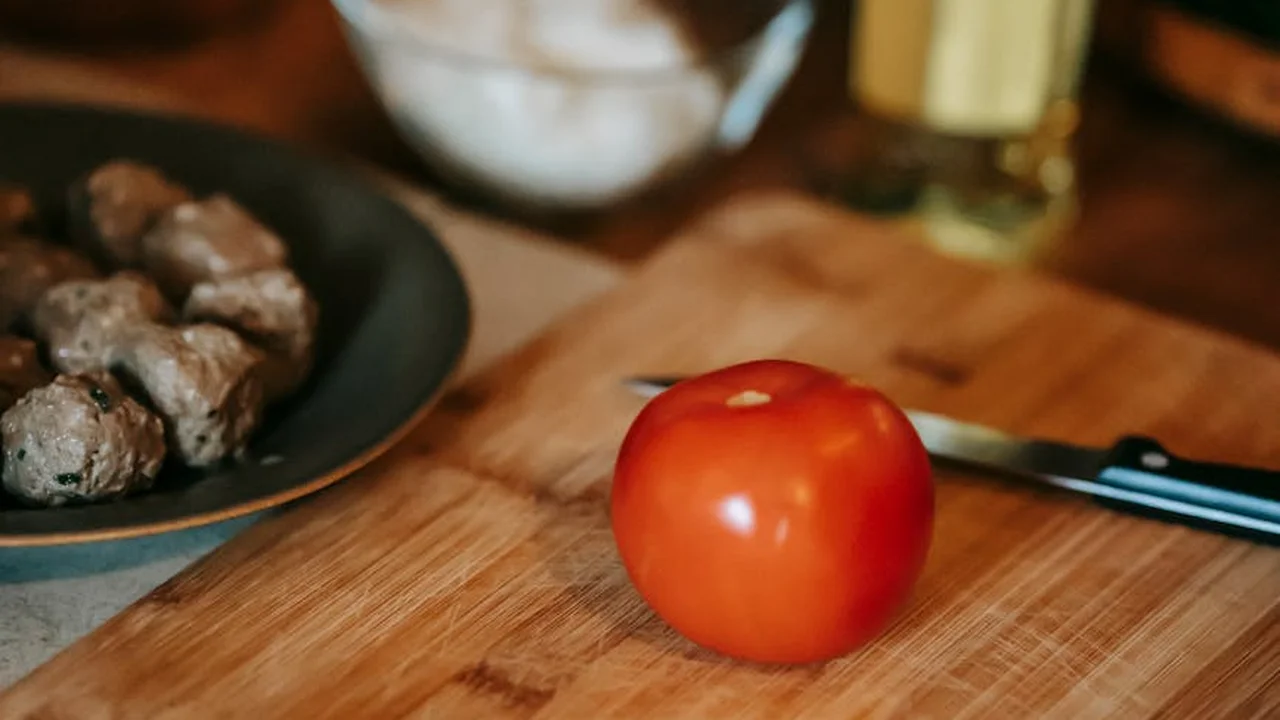
Think of an oil’s smoke point like its personal comfort limit. Pushing past it breaks down the oil, just like how you’d reduce hydraulic oil temperature in a machine to prevent a breakdown. Your job is to match the oil’s limit to your cooking heat.
I group oils in my kitchen by how much heat they can happily handle. This simple system keeps my meals tasting great and my oils from wasting away.
For Drizzling and Gentle Warmth
These oils have delicate flavors and lower smoke points. I use them mostly raw or with very low heat.
Extra Virgin Olive Oil has a smoke point around 325-375°F (163-190°C). Its wonderful peppery, grassy scent turns bitter and acrid when it gets too hot. I keep my best bottle for dressing salads and finishing warm dishes. Different oils have different smoke points, which matters for high-heat frying. High-heat cooking oils, such as avocado oil, canola oil, coconut oil, ghee, butter, or tallow, are often better choices than olive oil.
Toasted Sesame Oil smokes at about 350°F (177°C). That deep, nutty aroma is the whole point. Heat it directly in a pan and you’ll lose that magic in a puff of smoke. I always stir it in at the very end.
For Everyday Sautéing and Baking
This is the middle ground for cooking onions, baking muffins, or making eggs.
Coconut Oil is a favorite of mine. Unrefined (virgin) oil smokes near 350°F (177°C) and fills the kitchen with a sweet, tropical scent. Refined coconut oil can handle closer to 400°F (204°C) with a more neutral taste. I use the unrefined for low-heat baking where I want that coconut flavor to shine.
For Searing, Frying, and High Heat
When my cast iron skillet needs to be screaming hot, I reach for these.
Avocado Oil has a very high smoke point, around 520°F (271°C). It has a mild, buttery feel and won’t overpower food. This is my go-to for searing a steak without setting off the smoke alarm. However, if you’re considering using it for other types of cooking, make sure to check if it’s good for high heat cooking and frying.
Grapeseed Oil is another high-heat champion at about 420°F (216°C). It has a light, almost clean texture and very little flavor. I use it for stir-fries when I want the other ingredients to be the stars.
Ghee is clarified butter. By removing the milk solids, its smoke point jumps to about 485°F (252°C). It gives you that rich, caramelized butter flavor without burning. A jar of ghee lives on my stove for nearly everything hot.
Cooking Oil Temperature Chart and Breakdown
| Oil | Best For | Smoke Point |
|---|---|---|
| Extra Virgin Olive Oil | Dressings, Drizzling, Low-Heat Sauté | 325-375°F (163-190°C) |
| Toasted Sesame Oil | Finishing, Flavouring | ~350°F (177°C) |
| Coconut Oil (Unrefined) | Baking, Medium-Heat Sauté | ~350°F (177°C) |
| Grapeseed Oil | Sautéing, Stir-Frying | ~420°F (216°C) |
| Avocado Oil | Searing, High-Heat Frying | ~520°F (271°C) |
| Ghee | Searing, Roasting, Frying | ~485°F (252°C) |
Use this chart by first knowing your cooking temperature for frying foods. Tempura, for example, needs a steady 340-360°F (170-180°C). You’d look for an oil with a smoke point well above that, like avocado or grapeseed oil.
Choosing an oil with a smoke point at least 25°F above your target cooking temperature gives you a safe buffer. This keeps the oil stable and your food tasting fresh, not burnt. However, understanding the smoke points of different oils is crucial for making the right choice.
Common Mistakes and How to Avoid Them
I’ve made these errors myself. Here’s how I fixed them.
Using Extra Virgin Olive Oil for high-heat searing. That beautiful oil will smoke and turn bitter fast. Reserve your good EVOO for dressings, drizzling, and medium-heat sautéing where its flavor can sing.
Reheating oil until it’s dark and foamy. Oil breaks down each time it’s heated. Old oil has a much lower smoke point and can taste off. I discard frying oil after one or two uses for the best results.
Adding cold food to hot oil. This causes violent spattering and a drastic temperature drop. Always pat your food dry with a paper towel first. It’s safer and helps you get a crisp sear.
Walking away from heating oil. It can go from perfect to smoking in moments. Stay nearby. If you see wisps of smoke, reduce the heat immediately.
What Happens When Oil Gets Too Hot?
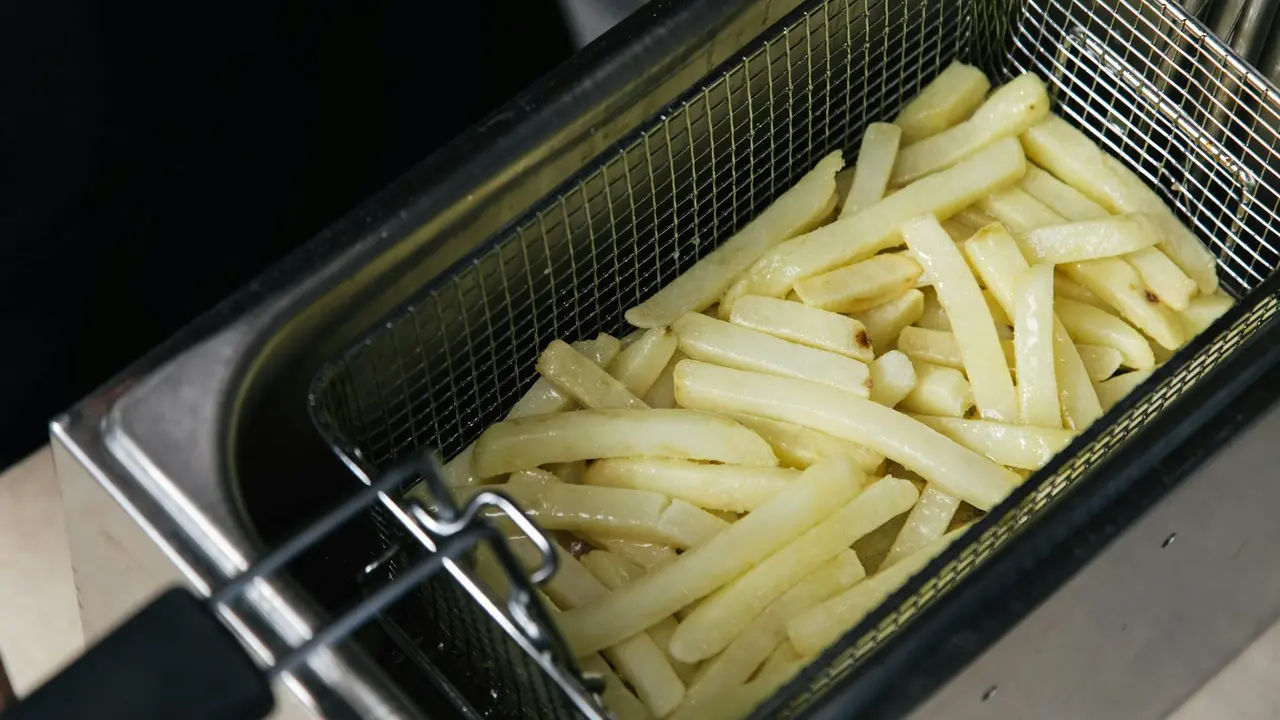
You’ll see the warning first. A thin, wispy smoke starts rising from your pan. This is the oil’s smoke point. It’s telling you it’s starting to break down.
If the heat stays high, that wisp becomes a steady stream, and an acrid, bitter smell fills your kitchen. This isn’t the scent of cooking; it’s the smell of the oil’s molecular structure fracturing.
Beyond that, every oil has a flash point, a much higher temperature where vapors can ignite into flame. Reaching this point is a serious kitchen fire hazard.
Why Smoking Oil is a Problem for Wellness
Just like you wouldn’t use a damaged oil on your skin, you don’t want to ingest a broken-down one. The high heat creates free radicals and harmful compounds like aldehydes.
Consuming these regularly can introduce oxidative stress to your body, which is something we actively try to combat with antioxidant-rich botanical oils in other areas of wellness. The food cooked in that oil can also take on unpleasant, bitter flavors.
What to Do Immediately If Your Oil Smokes
Stay calm. Do not panic. Your immediate actions are about safety and controlling heat.
- Turn off the burner immediately. Remove the heat source.
- Carefully slide a lid onto the pan to smother it. Use an oven mitt and approach from the side to avoid steam.
- Let the pan sit, covered, until it is completely cool. Do not move it.
Never, ever throw water on a pan of hot oil. Water causes the oil to violently splatter and can make a fire spread. Never try to carry a smoking pan to the sink.
The Simple Sign to Watch For
In my work, I often check the quality of an oil by its clarity and scent. A rancid oil for hair or skin isn’t just ineffective; it’s potentially irritating. The same principle applies in your kitchen.
Think of smoke as your cooking oil’s critical warning light. Just as particulate metal in motor oil signals engine wear, visible smoke is the clear, visible sign your cooking medium is degrading. It’s your cue to act, for the safety of your home and the wellness of your meal.
Your Quick-Reference Guide
What’s the best kind of cooking oil temperature meter to buy?
For most home cooks, a simple clip-on deep-fry thermometer is perfect for monitoring a pot of oil. A digital instant-read thermometer is my second choice for quickly checking a skillet’s temperature before adding food.
Do I need to understand both Celsius and Fahrenheit?
Not at all! Find a reliable temperature chart (like the one in our article) that uses your preferred scale and stick with it. The important thing is knowing your oil’s smoke point number, not doing conversions on the fly.
Why is a cooking oil temperature gauge so important?
Visual cues like a shimmering pan are unreliable and often mean the oil is already too hot. A gauge gives you confident, precise control, which is the key to preserving an oil’s flavor and beneficial properties.
How do I use the temperature breakdown chart effectively?
First, know your cooking method’s required heat (e.g., sautéing vs. deep-frying). Then, choose an oil from the chart with a smoke point at least 25°F above that target temperature for a safe, effective buffer.
What’s the ideal cooking oil temperature for tempura?
Tempura requires a steady, moderate heat of 340-360°F (170-180°C). Use a neutral, high-heat oil like avocado or grapeseed, which have smoke points well above this range, ensuring a crisp result without any smoky taste.
Keeping Your Oils in Their Happy Place
The most important thing is to know your oil’s smoke point. Staying well below it preserves everything that makes a botanical oil beautiful-its nutrients, its aroma, its very character. Science shows that oxidation from light and air, especially with heat, can affect a botanical oil’s nutrients and aroma. Understanding these factors helps you protect the oil from exposure and preserve its character. Treating heat with respect lets your oils work their best, whether they’re destined for your skillet or your skin.
I invite you to browse more of our guides here to build your confidence. Trust your senses, start with gentle heat, and you’ll find a wonderful rhythm in your kitchen and your self-care rituals.
Deep Dive: Further Reading
- Cooking with Fats and Oils: Can they withstand the heat? – Kendall Reagan Nutrition Center
- Template:Smoke point of cooking oils – Wikipedia
- Oil Smoke Points: Thermal Principles and Temp Chart | ThermoWorks
- The Perfect Frying Oil Temp for Common Cooking Oils
Noemi Kamińska
Noemi is an accomplished wellness researcher, nutrition care guide and body care expert. She has years of experience in formulating various oil combinations for full body wellness including face, hair, body care, essential oils and cooking oils. She works as a bio-formulator working with oil chemistry and analyzing the best formulations when it comes to your needs. Feel free to reach out to get your oil needs sorted.