Lip Oil vs. Lip Gloss: Which One Hydrates and Shines Better?
Staring at the two tubes, you might wonder which will actually treat your dry lips instead of just covering them up. From my own apothecary shelf, I’ve learned that the best choice depends entirely on what your lips need to feel truly cared for.
I’ll cut through the confusion by showing you how their core ingredients lead to very different results on your skin.
- The base formulas that define each product
- How each one delivers moisture and shine
- The texture and feel you can expect
- My simple guide for picking the right one for you
What Does a Lip Oil Actually Do for Your Lips?
Think of a lip oil as a skincare treatment for your mouth. Its main job is to nourish and repair your lip skin, not just decorate it.
I keep a few in my own daily kit because they feel so different. The texture is lightweight and silky, often with a “dry oil” feel that sinks in instead of sitting on top.
A good lip oil works to lock in your lips’ natural moisture, soften dry flakes on contact, and improve the overall health of your lip skin with consistent use. This is what lip oils do for you-they offer lasting care, especially when you use nourishing oils like coconut oil for dry lips.
People often search for “is elf lip oil good” when looking for a start. From my view, it’s a solid affordable option to try the category and see if your lips enjoy that type of hydration.
Is Lip Gloss the Same as Lip Oil? Unwrapping the Glossy Truth.
Traditional lip gloss is a cosmetic at heart. Its primary goal is to give you instant, high-impact shine and a hint of color.
The texture tells the story right away. Gloss feels viscous, often with a sticky or plush cushiony sensation that you’re very aware of.
While many glosses now contain hydrating ingredients, their main benefit remains visual shine, with moisture as a welcome bonus. This is the core answer to “is lip oil the same as lip gloss?”-they start from different places.
Now, the lines do get blurry. Terms like “lip oil gloss” from brands like NYX or Dior point to hybrids. These mix the treatment feel of an oil with the high-shine payoff of a gloss, which is why someone might ask “is lip oil lip gloss?” The market is evolving.
Side-by-Side: A Quick-Reference Table
This table shows the core difference at a glance. Lip oil is a treatment, and lip gloss is makeup.
Hydration or High Shine? How to Pick Your Priority.
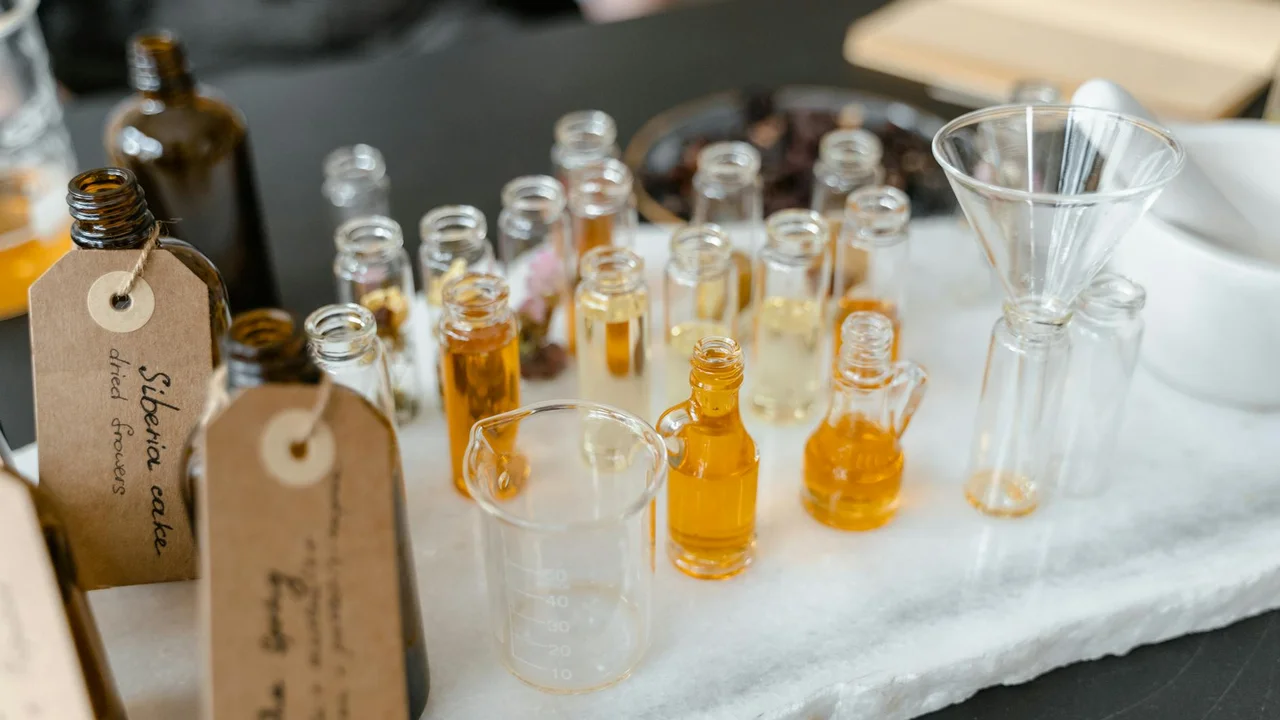
Think of your lips like a thirsty plant.
Lip oil is like giving that plant a deep watering at the roots. The lightweight botanical oils sink past the surface to condition and soften the skin from within. Ingredients like jojoba or rosehip oil mimic your skin’s natural lipids, helping to repair the delicate barrier.
Lip gloss works more like a humidity dome. Its main job is to create a glossy, protective seal on top of your lips, trapping in any existing moisture. Many traditional glosses use film-forming polymers and thick emollients that sit on the surface for that signature shine.
The shine they offer is different, too. A gloss gives you a bold, reflective, almost glassy finish. A lip oil provides a softer, dewy gleam. It looks like health, not high-shine.
On my own shelf, I reach for a simple rose and jojoba lip oil before bed. For a day out where I want my smile to sparkle, a clear, peachy gloss is my go-to.
You might see hybrids like “lip oil gloss” in reviews. These try to blend both worlds. A good hybrid will have nourishing oils high in the ingredient list but use a light gel or polymer to boost the shine and wear time. They can be a great middle ground if you find pure oils too subtle or pure glosses too sticky.
Your Daily Lip Ritual: How to Use Oil and Gloss, Together or Alone.
You can absolutely make both products work in your routine. Here is how I use them.
Using Lip Oil for Treatment
As an overnight treatment, apply a generous layer of botanical oil to clean lips. Let it soak in while you sleep. You will wake up to smoother skin.
As a primer under matte lipstick, apply a thin layer of oil. Wait two full minutes, then gently blot any excess. This preps your lips so the matte color applies evenly and feels less drying.
Using Lip Gloss for Impact
For maximum shine, apply gloss to the center of your bottom lip and press your lips together. You can add a tiny dot to your cupid’s bow to catch the light.
To minimize sticky transfer, apply less product. Use just one swipe. Let it set for a minute before you take a sip from a cup.
My Favored Layering Technique
For mega-shine that also treats your lips, try layering. First, apply your lip oil. Let it absorb for about two minutes. Then, apply your gloss directly on top. The oil base gives the gloss something smooth to glide over and adds lasting hydration under the shine.
Notice the applicator, too. Many lip oils come with a roll-on or cushion tip. These give you precise control for spot-treatment. Gloss typically uses a doe-foot wand, perfect for sweeping on a full, even coat of shine.
A quick note: if you loved a product like the old “Lip Oil Gloss in Voyage” and find it is discontinued, see it as a chance to explore. Brands frequently update these formulas. Check for a new version or use it as a prompt to try a pure oil and a separate gloss to mix your own perfect blend.
Reading the Bottle: Botanical Ingredients That Make a Real Difference.
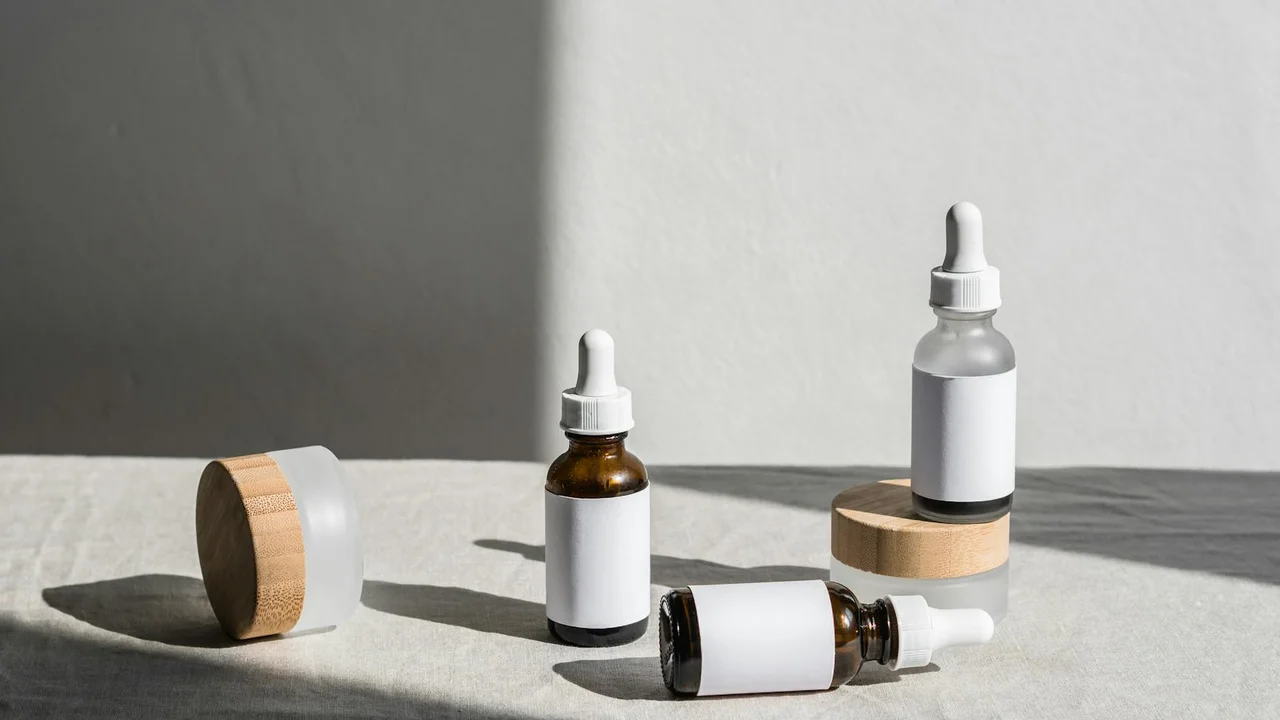
Look at the ingredients like you’re reading a recipe.
A great lip oil will lead with real botanical oils your skin recognizes.
What to Look For
Jojoba oil is a superstar because it mimics your skin’s natural sebum. It sinks right in without greasiness.
Raspberry seed oil is a personal favorite in my apothecary for its lightweight feel and natural sun-protective qualities.
Apricot kernel oil is silky and rich in fatty acids, perfect for softening and smoothing delicate lip skin.
These plant oils work with your skin’s barrier to provide lasting hydration, not just a surface sheen.
What to Notice in Gloss
Many traditional glosses use ingredients like petroleum or synthetic polymers (like polybutene) as their base.
These create that iconic, high-shine finish and thick texture by forming a seal on top of your lips.
While they lock in existing moisture, they don’t typically add nourishing benefits of their own.
Special Care for Sensitive Lips
If your lips are easily irritated, seek out vitamin E (often listed as tocopherol). It’s a gentle antioxidant that supports healing. Some people also use castor oil for facial skin, exploring its benefits and uses. It can complement lip care and other antioxidant options like vitamin E.
Fatty acids, like those in sunflower or cranberry seed oil, are building blocks that actively repair and support your skin’s barrier.
I see this thoughtful blending in products like the a’pieu honey & milk lip oil, which combines moisturizing oils with soothing propolis.
A Word on Flavor and Scent
Be gentle with highly flavored or scented products, even trendy ones.
Fragrances, whether natural or synthetic, are common irritants for the thin skin on your lips.
A “pink rock de liposan” type gloss might smell like candy, but that same fragrance can lead to dryness or tingling for some.
When in doubt, simpler is often better for long-term lip health.
Common Lip Care Mistakes and How to Smooth Them Over.
We’ve all made little slips in our routine. Here’s how to fix a few common ones.
Mistake: Applying Sticky Gloss on Chapped Lips
Putting a thick, tacky gloss over flaky skin feels uncomfortable. It can actually pull at and irritate those delicate flakes.
Always prep with a hydrating oil first to create a smooth, supple canvas.
The simple fix is to dab on a little pure jojoba or squalane oil, let it absorb for a minute, then apply your gloss over top.
Mistake: Expecting a Tinted Lip Oil to Behave Like Lipstick
A pigmented lip oil gloss is a beautiful hybrid, but its primary job is hydration. The color will fade as you drink and talk.
Set your expectations for gentle, buildable color that needs reapplication.
The simple fix is to use a lip liner in a similar shade all over your lips as a base to help any color stay put longer.
Mistake: Thinking All “Lip Oils” are Automatically Lightweight
The term “oil” isn’t regulated. Some formulas use heavier oils that can feel too rich or potentially clog the pores around your lips.
If you’re prone to milia (those tiny white bumps), this is something to watch.
The simple fix is to patch test a new product on the side of your lip and look for specifically non-comedogenic oils like squalane or hemp seed oil.
These have a lighter molecular weight and absorb quickly without a heavy residue.
Your Questions, Answered Naturally
I see products like ‘Dior Lip Oil Gloss’ and ‘NYX Lip Oil.’ Are these true lip oils?
These are wonderful hybrids! They blend the high-shine polymers of a gloss with nourishing botanical oils, offering a middle path. Look for plant oils like jojoba or raspberry seed high in the ingredient list for true treatment benefits alongside the shine. Are the oils in these formulas produced with methods that preserve their nutrients—think argan, jojoba, or rosehip? Cold-pressing and careful refinement can influence their benefits as much as their source.
Is a ‘Lip Oil Gloss Roll-On’ better for application?
The roll-on applicator offers precise, mess-free control, which is perfect for targeting dryness. It typically delivers a lighter, more treatment-like layer than a traditional gloss wand, aligning it closer to a pure oil’s function.
I loved ‘Lip Oil Gloss in Voyage’ but it’s discontinued. What should I do?
See this as a botanical invitation to explore! Formulations evolve constantly. You can recreate the experience by layering a pure, lightweight lip oil with a separate high-shine gloss to find your new perfect blend.
Why might a scented gloss like ‘Pink Rock de Liposan’ sometimes dry my lips?
Fragrance, whether natural or synthetic, is a common irritant for the delicate lip skin. That enticing scent can compromise your skin barrier over time, leading to dryness or tingling, so I always recommend fragrance-free for daily care.
Is a ‘Labial Hidratante’ like Ruby Rose’s product a lip oil or a gloss?
The term “labial hidratante” means “hydrating lipstick,” which is a helpful clue! It prioritizes moisture, so check the formula: if it leads with plant oils and absorbs, it’s oil-like; if it’s thick with polymers for shine, it’s gloss-inclined.
Your Lip Care, Personalized
The most vital step is simply listening to what your lips need each day. Reach for a rich botanical lip oil when they feel thirsty or chapped, and choose a playful gloss when you just crave that glossy, reflective finish. Additionally, when you layer facial oil with your moisturizer, the order can affect results. In the next steps, we’ll guide you on applying facial oil before or after moisturizer for maximum benefits.
I share more simple, plant-based routines like this right here on the blog. Trust your own experience as you blend and try different oils; your instincts are a powerful part of your wellness toolkit. You can also explore which specific oils are great for oil cleansing of skin and hair. I’ll highlight some favorites in upcoming posts.
Research and Related Sources
- r/Sephora on Reddit: Can someone explain to me the current hype behind the “lip oil” trend? How are they much different than lip gloss, aside from being less sticky, I assume? What’s the payoff? Doesn’t seem like anything revolutionary…but maybe I’m just not getting it?
- The Difference Between Lip Oil and Lip Gloss | e.l.f. Cosmetics
- Lip Oil vs. Lip Gloss: Cosmetic Chemists Settle the Debate
- Lip Oil vs Lip Gloss: What’s the Difference? | RMS Beauty | RMS Beauty
Noemi Kamińska
Noemi is an accomplished wellness researcher, nutrition care guide and body care expert. She has years of experience in formulating various oil combinations for full body wellness including face, hair, body care, essential oils and cooking oils. She works as a bio-formulator working with oil chemistry and analyzing the best formulations when it comes to your needs. Feel free to reach out to get your oil needs sorted.