Avocado Oil or Extra Virgin Olive Oil: Which Should You Use?
Staring at two beautiful bottles, you might feel torn between rich, buttery avocado oil and fruity, familiar extra virgin olive oil. I keep both in my kitchen for very different reasons, and after years of testing, I can help you decide without the stress.
My goal is to give you a clear, practical guide you can use right away.
- How their health benefits truly compare
- The best cooking job for each oil’s smoke point and flavor
- My personal picks for salads, sautés, and wellness blends
- What I always reach for from my own apothecary shelf
Key Takeaways at a Glance
Think of it this way: reach for extra virgin olive oil when you want to add flavor and wellness benefits to dishes without high heat. Choose avocado oil when you need a neutral, high-heat workhorse in the kitchen or a silky skin treatment.
- Health Wins: Both are excellent. EVOO is famous for heart-healthy monounsaturated fats and antioxidants. Avocado oil shares those good fats and is packed with skin-nourishing vitamin E.
- Cooking Wins: Avocado oil wins for searing, roasting, and frying due to its very high smoke point. EVOO wins for dressings, dipping, drizzling, and low-heat sautés where its flavor is a feature.
- Best First Purchase: If you can only get one, choose a quality extra virgin olive oil. Its flavor impact and wellness pedigree are harder to replace in everyday cooking.
So, which is truly healthier? Neither is a “winner”-they are different tools for the same well-stocked pantry.
Quick Snapshot: Avocado Oil vs. EVOO
| Feature | Avocado Oil | Extra Virgin Olive Oil |
| Primary Flavor | Very mild, buttery, neutral | Distinctly fruity, grassy, sometimes peppery |
| Smoke Point | High (500°F / 260°C+) | Medium (325-410°F / 163-210°C) |
| Best For (Cooking) | Searing, frying, roasting, baking | Salad dressings, dipping, low-heat sauté, finishing |
| Best For (Body/Skin) | Deep moisturizer, massage oil, hair mask base | Cleansing oil, light moisturizer (for some), scalp treatment |
| Dominant Fat Type | Monounsaturated (Oleic Acid) | Monounsaturated (Oleic Acid) |
| Shelf Life Tip | Store in a cool, dark place; lasts about a year after opening. | Keep in a dark bottle away from heat; use within 6 months for peak flavor and potency. |
Getting to Know the Contenders: A Botanical Profile
Both of these oils come from the fleshy fruit of a tree, not from a seed or nut. This gives them a unique chemical profile I find fascinating.
Avocado oil is pressed from the rich, creamy flesh of the fruit. The pit is removed first. Extra virgin olive oil is essentially the first cold-pressed juice of ripe olives. It’s a raw, unrefined product.
In my apothecary, they look and feel different. A good EVOO has a vibrant, grassy green color and a viscous, almost sticky texture. A quality, unrefined avocado oil ranges from a pale green to a golden yellow and feels silky and lightweight between my fingers.
Quality is non-negotiable here. For the full spectrum of health benefits and authentic flavor, you must choose cold-pressed, unrefined oils. Refined versions are stripped of nutrients and character.
Avocado Oil: The Quiet All-Rounder
I appreciate avocado oil for its modesty. In the kitchen, it doesn’t shout for attention. It provides a rich, buttery fat that lets the other ingredients on your plate be the stars. Unlike some other oils, it doesn’t overpower dishes, making it perfect for searing a steak or roasting vegetables where you don’t want an olive oil flavor.
For skin, its magic is in its texture. It’s similar to our skin’s own sebum. This allows it to absorb beautifully without a heavy, greasy feel. I use it as a base for body oil blends because it’s so well-tolerated and deeply hydrating.
Extra Virgin Olive Oil: The Flavorful Heirloom
EVOO is a storyteller. A sip can taste peppery, fruity, buttery, or green, telling you about the olive variety and the sun-drenched hills it came from. I have a few small bottles from different regions, and their flavors are wildly distinct.
Because heat can diminish its delicate compounds and nuanced flavor, I often think of it as a finishing oil. Drizzle it over a finished soup, roasted veggies, or a piece of crusty bread to experience its true magic and preserve its wellness properties. The gentle peppery sensation in the back of your throat is a sign of those valuable antioxidants.
The Heart of the Matter: Health Benefits Compared

Both avocado oil and extra virgin olive oil are champions of heart health. They are rich in monounsaturated fats, the good kind that your body loves. But there’s more to these oils than just heart health.
These fats help maintain balanced cholesterol levels when you use them instead of saturated fats.
Their superpowers come from different antioxidants. Extra virgin olive oil contains oleocanthal, which gives it a peppery kick and soothes inflammation naturally.
Avocado oil is a star source of lutein. This antioxidant supports eye health and gives your skin a glow from the inside.
When comparing avocado vs evoo health benefits, remember they are teammates, not rivals. Each brings something special to your wellness routine.
For those curious about avocado vs evoo for weight loss, both oils help you feel full and satisfied. A tablespoon in a meal can tame hunger pangs.
That feeling of satiety is a key reason these oils are friends, not foes, in a mindful diet.
For Your Skin: A Different Kind of Glow
Let’s address avocado vs evoo for skin directly. Avocado oil absorbs into skin quickly. This makes it a fantastic pick for dry, mature, or sensitive skin types, especially when compared to grapeseed oil for cosmetic use.
It delivers deep moisture without a greasy residue, which my own sensitive skin appreciates.
Extra virgin olive oil has a heavier, more occlusive texture. For some people, this can clog pores and lead to breakouts. The difference between virgin and extra virgin olive oil helps explain these textures. It can guide you in choosing the right oil for your skin.
I always recommend a patch test on your inner arm before using EVOO on your face. It is a simple safety step.
Here is a tip from my bathroom shelf. I add one drop of avocado oil to my night cream for extra slip and hydration. It feels like a spa treatment.
The Cooking Showdown: Smoke Points and Sizzle
First, what is a smoke point? It is the temperature where oil starts to burn and break down. When oil smokes, it can create harmful compounds and a bitter taste.
Knowing an oil’s smoke point keeps your food safer and more delicious.
This settles evoo vs avocado oil for frying. Avocado oil has a very high smoke point. It is the clear winner for searing, stir-frying, or deep-frying. Knowing the smoke points of common oils—olive, avocado, coconut, canola, ghee, butter, and tallow—helps you pick the right fat for high-heat frying.
Extra virgin olive oil has a lower smoke point. It is perfect for sautéing over medium heat, roasting vegetables, or making dressings.
EVOO’s robust, fruity flavor is meant for finishing dishes, not for the highest heat.
Your Pan’s Best Friend: The Cast Iron Question
For seasoning cast iron, you need an oil that can handle high heat. Avocado oil’s high smoke point makes it superior for creating a durable, polymerized layer. Not all cooking oils are suitable for seasoning, despite popular belief.
This makes avocado oil the best answer for evoo vs avocado oil for cast iron cooking when building seasoning.
My practical method? I use avocado oil to season my cast iron skillet. For everyday cooking in it, I use a drop of EVOO. It adds a lovely flavor to eggs or vegetables.
Baking and Beyond: Sweet and Savory Uses
In baking, avocado oil’s neutral taste is ideal. It lets other flavors shine in chocolate cakes, brownies, or muffins.
Extra virgin olive oil adds a wonderful, complex fruitiness. It shines in citrus cakes, herb-infused breads, or savory scones. Its polyphenol content varies by type, with extra virgin offering more antioxidants than refined oils. Knowing these differences helps you pick the right oil for flavor and health.
Your kitchen isn’t the only place for these oils. Both can condition wooden spoons or cutting boards. Extra virgin olive oil can also polish leather boots or bags.
For home care, use any oil sparingly and always test it on a small, hidden area first.
Making the Choice: Your Personal Oil Palette
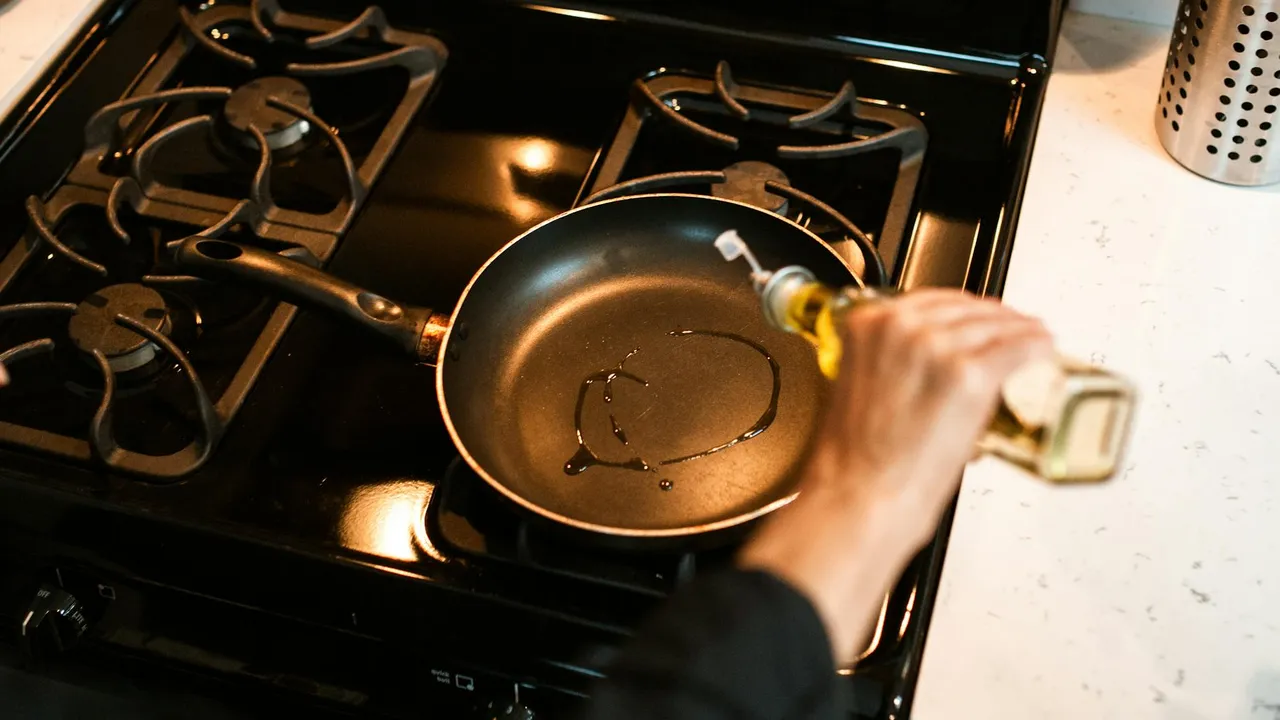
Think of this not as a contest, but as curating your personal collection. I have both on my shelf because they do different jobs so well.
Here is my simple guide for picking the right one.
- Need to sear a steak or roast vegetables at high heat? Avocado.
- Making a salad dressing or finishing a soup? EVOO.
- Dry skin needing deep moisture? Avocado.
- A culinary antioxidant boost for your meal? EVOO.
Fresh oil is effective oil. Rancidity ruins the benefits and creates free radicals you do not want on your skin or in your food.
Always store both oils in a dark, cool cupboard, away from the stove and direct light. I keep mine in the pantry. Extra virgin olive oil is particularly sensitive. Heat and light can quickly degrade its precious polyphenols and turn its flavor sharp.
You truly do not have to pick just one winner. Having both bottles expands your kitchen and self-care toolkit in the most satisfying way. It gives you flexibility and lets you enjoy the unique strength of each oil.
Materials for Your Oil Toolkit
Building a reliable oil collection starts with quality ingredients and proper tools. This is what I recommend keeping on hand.
- 1 bottle of high-quality, cold-pressed avocado oil. Look for one labeled for culinary use, as this ensures food-grade purity if you also want to use it on your skin.
- 1 bottle of certified extra virgin olive oil with a recent harvest date. A harvest date (not just a “best by” date) is the best sign of freshness and robust flavor.
- Dark glass bottles for storage. If your oils come in clear glass or plastic, transfer them. Amber or cobalt glass shields the oil from light damage.
- A small glass dropper bottle for skin applications. This lets you mix small batches of facial serums or massage blends without contaminating your main bottle.
Your Questions, Answered
For someone watching their weight, is one oil better than the other?
For weight management, they are virtually equal. Both provide healthy fats that promote satiety, helping you feel full, so choose based on your cooking method for the day.
I’m new to botanical oils. Which one should I try first?
Start with a quality extra virgin olive oil. Its distinctive flavor and versatility in low-heat cooking and dressings make its benefits immediately noticeable and enjoyable.
I have sensitive skin. Which oil is the safer choice for me?
Avocado oil is generally the gentler, more reliable choice. It absorbs well and is less comedogenic, making it a superb moisturizer for sensitive or easily congested skin types.
Can I use both oils on my cast iron skillet?
Absolutely, for different purposes. Use avocado oil for the initial high-heat seasoning process, and feel free to cook with a little EVOO in the well-seasoned pan for added flavor at moderate temperatures.
From My Shelf to Your Stovetop
I keep both oils in my kitchen because they serve different, beautiful purposes. Let avocado oil handle the high-heat work for you, and save extra virgin olive oil for moments where its flavor and nutrients can shine. Its high smoke point makes it perfect for frying and other high-heat cooking. It also provides healthy fats that fit a balanced diet.
I write about these everyday choices here on the blog to help you feel confident. Your hands-on experiments with oils for wellness, skin, and home are what truly bring this knowledge to life.
Noemi Kamińska
Noemi is an accomplished wellness researcher, nutrition care guide and body care expert. She has years of experience in formulating various oil combinations for full body wellness including face, hair, body care, essential oils and cooking oils. She works as a bio-formulator working with oil chemistry and analyzing the best formulations when it comes to your needs. Feel free to reach out to get your oil needs sorted.