
Is Coconut Oil Safe for Cats? Uses, Dosage, and Safety Tips
I keep a jar of coconut oil in my own apothecary, so I get why you’re curious and cautious about sharing it with your cat. Based on my work with botanical oils, I can help you navigate this with confidence and care.
You’ll leave this guide with a clear, safe approach for your feline friend.
- Practical uses for skin, coat, and wellness
- How to measure the correct dosage
- Critical safety tips every owner must know
- My method for a gentle introduction
Key Takeaways: Coconut Oil for Cats at a Glance
Before you share your jar, keep these points in mind.
- Start slowly. Coconut oil is safe only in tiny, infrequent amounts-think 1/4 teaspoon or less.
- Always perform a patch test on your cat’s skin before any wider topical application.
- It works as a protective moisture barrier for skin and coat. It is not a proven flea treatment.
- Overuse is a common pitfall and can lead to digestive upset or unwanted weight gain.
- Consult your vet before starting, especially if your cat has existing health conditions.
The Golden Rules: Is Coconut Oil Safe for My Cat?
Can cats have coconut oil? Yes, they can, but it’s not a free-for-all. I view it as an occasional helper, not a staple. If you’re considering coconut oil for dogs’ skin or paws, a dosage safety guide can help you use it safely. It outlines safe amounts, frequency, and signs of irritation.
Coconut oil is nearly pure fat, which means it’s high in calories and should be used sparingly internally. A little goes a very long way. Some people include a small amount in their daily diet as part of a weight-management approach. When used in moderation, coconut oil may help with satiety and support calorie-conscious eating. I mix a pea-sized amount into my cat’s food once a week as a treat.
Using it on the skin is often simpler. Rubbing a tiny dab into dry spots or cracked paw pads can offer gentle relief.
Are cats allergic to coconut oil? Allergies are uncommon but possible. Check by doing a patch test. Apply a pinhead-sized dot to a small, hairless area like the inner ear. Wait a full day. If the skin looks normal, you can proceed cautiously.
Some cats should skip it completely. Avoid coconut oil for cats with pancreatitis, obesity, or known sensitivities to dietary fats. When in doubt, your veterinarian’s advice is your best guide.
What Type of Coconut Oil is Best for Cats?
From my own apothecary, I choose organic, virgin (unrefined) coconut oil for any pet application. The minimal processing keeps it pure and free from harsh chemicals.
You’ll notice virgin oil has a mild, sweet aroma, like fresh coconut. Refined oil lacks that scent. Its neutral smell comes from processing that I prefer to avoid for a cat’s delicate system. That’s the cold-pressed vs refined oils difference—the processing determines what’s preserved or stripped away. For a cat, that can affect digestion and tolerance.
This oil is solid and creamy at cool room temperature. To apply it, I scoop a bit into my palms; the warmth from your hands gently melts it into a smooth, easy-to-spread liquid. No need for harsh heating.
Practical Uses: How to Use Coconut Oil on Your Cat
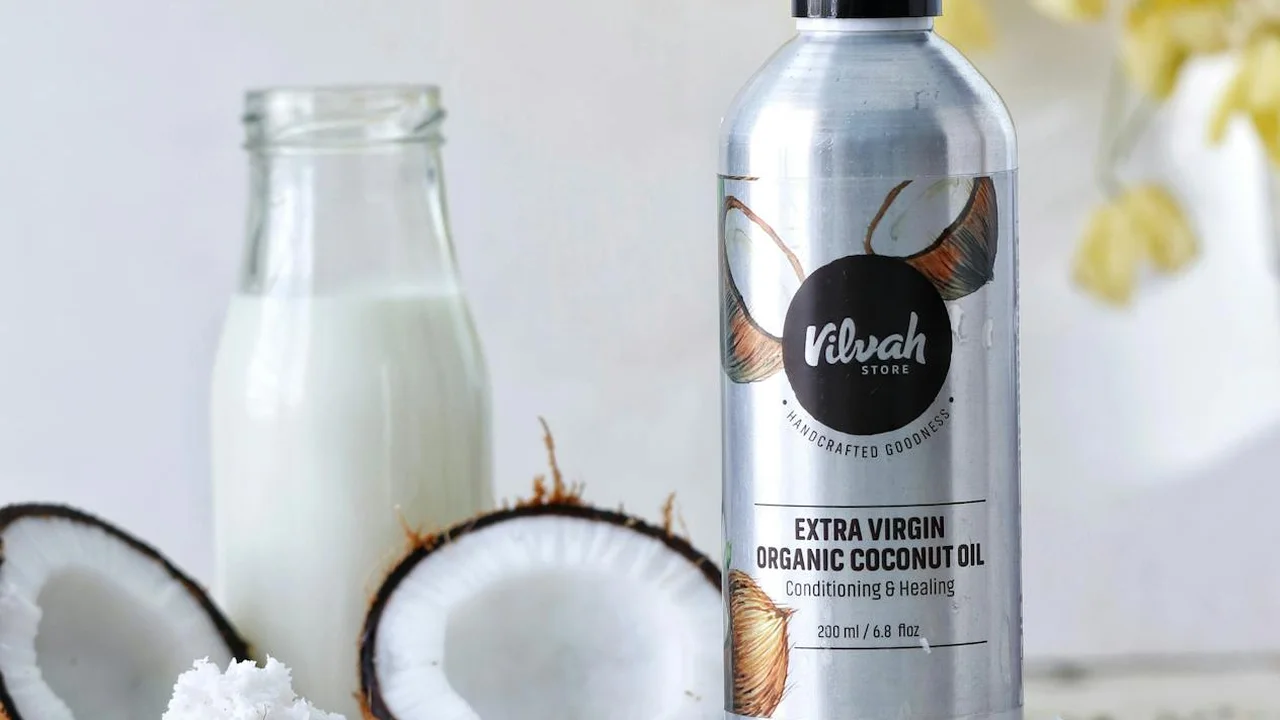
Let’s break down how to use this oil for common feline issues. I keep a dedicated jar in my apothecary for pet care, and this is the gentle approach I follow.
For Skin and Coat Care
A tiny dab of coconut oil can work wonders on dry skin. For rough patches on your cat’s legs or those crusty little elbows, warm a bit between your fingers first.
For dry paw pads, a smear the size of a pinhead is all you need to soften them without leaving a greasy trail.
After a rare bath, I sometimes use it as a light conditioner. Massage a minuscule amount into the coat for shine and to soothe the skin.
Remember, less is more. Your goal is to moisturize, not to create a slick coat your cat will immediately lick off.
For Hairball Support
The idea here is simple. A little oil can help lubricate your cat’s digestive tract, allowing hair to pass through more smoothly.
For internal use, I recommend starting with no more than 1/4 teaspoon mixed thoroughly into wet food, two or three times a week.
Watch your cat closely. Too much oil, too fast, is a common cause of loose stools or diarrhea.
As a Topical Soother
For minor annoyances like a bug bite or a small scrape, coconut oil can create a gentle, protective barrier. I’ve used it on my own cat’s minor scratches after a backyard adventure. Though coconut oil is not effective for repelling mosquitoes, it can help soothe the skin after bites.
This is for superficial comfort only, not for open wounds or infections that need a vet’s attention.
Some cats tolerate a tiny bit rubbed on their collar to help with a mild fragrance or to ease chafing. Always check for irritation.
The Truth About Coconut Oil and Fleas
I see this question everywhere. Can coconut oil kill fleas? The honest answer is no, not reliably.
While the thick oil might smother a few existing fleas and soothe the itchy bites they leave behind, it will not prevent an infestation.
For effective flea control, please talk to your veterinarian about proven, species-specific treatments. This oil is not a substitute for tea tree oil for fleas.
Dosage and Application: A Step-by-Step Checklist
Safety first. Follow this simple list every time you introduce coconut oil to your cat’s routine.
-
Choose the right oil. I always use organic, virgin (unrefined) coconut oil from my own stash for purity and for cooking and baking.
-
Warm it up. Scoop a small amount and rub it between your palms until it turns to a clear liquid. This makes it easier to apply and less startling for your cat.
-
Perform a patch test. Apply a dime-sized amount to a small area of skin, like the inner leg. Wait 24 hours and check for any redness or excessive licking.
-
Calculate a tiny dose. For internal use, a general guideline is 1/4 teaspoon for an average-sized cat. For a smaller cat, start with half that.
-
Apply topically with care. Use your fingertips to gently massage the oil into the desired area. For paws, focus on the pads. Avoid the eyes and nose.
-
Observe your cat. Watch for any changes in behavior, skin, or digestion over the next day. This tells you how they are tolerating it.
-
Adjust frequency slowly. If all is well, you can use it as needed for skin or a few times a week for hairballs. Less is always safer.
What to Watch For: Side Effects and Warnings
Even a good thing can be too much. I keep a close eye on my own cat anytime I introduce something new to his routine.
Common side effects are usually mild and messy. Your cat might end up with greasy fur that picks up every bit of dust and lint.
You might find oily spots on their favorite nap spots or your furniture.
Internally, too much oil too fast can lead to stomach upset. Soft stool or diarrhea is a clear sign to pull back.
Since it’s a fat, consistent overuse can also contribute to weight gain over time.
Recognizing a Reaction
True allergies are rare, but sensitivities happen. Watch their skin closely after a topical application.
Signs include new itching, redness, or tiny bumps where the oil was applied.
For dietary use, vomiting, ongoing diarrhea, or a notable lack of appetite can signal an intolerance.
Your cat’s reaction is the most important guide you have.
When to Stop and Call the Vet
Stop using the coconut oil immediately if you see any severe signs.
This includes intense scratching that leads to broken skin, significant swelling, difficulty breathing, or lethargy paired with digestive issues.
Do not wait it out if you are concerned; a prompt call to your veterinarian is always the safest choice.
Coconut Oil for Other Pets: Birds, Horses, and More
The questions often extend beyond cats. I get asked about coconut oil for all sorts of creatures.
Can Birds Have Coconut Oil?
In very specific cases, yes, but with extreme caution. Some bird owners use a tiny dab as an occasional fat source or to help with mild scaling on feet.
It must be pure, unrefined coconut oil with absolutely no added ingredients.
You would offer an amount no larger than a pinhead. Birds have incredibly sensitive systems, and their primary diet should never be disrupted by high-fat human foods. Always, always check with an avian vet first.
Can Horses Have Coconut Oil?
In the equine world, coconut oil is more common as a topical ingredient than a dietary one. You’ll find it in natural hoof conditioners and coat shines, and also used in skincare for humans to help with conditions like eczema, psoriasis, and dryness.
It’s valued for its moisturizing properties on dry hooves or to add a bit of sheen to a coat.
For horses, it is almost always used in diluted, targeted applications, not slathered on liberally.
If used in feed, it’s by precise measure for specific caloric or energy needs under guidance.
The universal rule in my apothecary applies to every animal, great or small. Every species, and every individual within it, is different.
What works for a parrot is not for a parakeet; what helps a horse’s hoof is not for a hamster.
Your first and best resource is a veterinarian who specializes in that particular kind of pet.
Recommended Products for Cat-Safe Care
When I look at my own apothecary shelf, I keep my coconut oil for pet use separate. The goal is purity and simplicity.
Look for organic, cold-pressed, virgin coconut oil every single time. This means it was processed without high heat or harsh chemicals, preserving its natural state. The scent should be mild, sweet, and nutty, not chemical or sharp.
I always buy a small jar, perhaps eight ounces or less. Coconut oil lasts a long time, but a smaller container helps it stay fresh, especially if you only use a tiny bit for your cat now and then. You avoid the oil sitting for years and potentially going rancid.
For a less messy option, consider a pet-formulated balm. Many use coconut oil as their main base and are already blended for easy application on paws or noses. It takes the guesswork out of the equation and is often neater than scooping from a jar.
Your Coconut Oil for Cats Checklist
Before you begin, run through this list. It puts everything we’ve discussed into simple, actionable steps.
-
I sourced virgin, organic, cold-pressed coconut oil. I checked the label and gave it a sniff. It smells clean and faintly of coconut.
-
I completed a 24-hour patch test on my cat. I applied a pea-sized amount to a small area of skin, watched closely, and saw no redness or irritation.
-
I calculated the correct dose for my cat’s weight. I started with the tiniest amount-about 1/4 teaspoon for a 10-pound cat-and know not to exceed that daily.
-
I have my veterinarian’s phone number easily available. I trust my own observations, but my vet’s guidance is my ultimate safety net.
-
I introduced the oil slowly into their diet, if using internally. I started with a dab on their paw or a tiny bit mixed into food, watching their digestion.
-
I apply topical oil sparingly and massage it in well. This prevents a greasy residue on fur and furniture, and ensures their skin can absorb it.
You are now equipped with solid, careful knowledge. Trust your instinct as their person-you know your cat best. Moving forward with this checklist means you’re putting their well-being first, and that is everything.
What People Ask
Can I make a homemade flea blend with coconut oil for my cat?
I don’t recommend blending coconut oil with essential oils or other ingredients for flea control, especially given the questionable safety and efficacy of such DIY methods compared to veterinarian-recommended treatments.
If coconut oil doesn’t kill fleas, why do people use it on their cat’s legs and coat?
While it won’t prevent an infestation, a tiny amount can soothe the skin and ease itchiness from existing flea bites. Think of it as a gentle, temporary comfort for irritated skin, not a pest solution.
My cat licked some oil after a skin application. Should I be worried?
A small, incidental lick is typically fine. However, if they consume a large amount, watch for signs of digestive upset like diarrhea or vomiting, and contact your vet if you’re concerned.
What’s the most surprising benefit of coconut oil for cats?
Beyond a shiny coat, I find its gentle moisturizing for dry paw pads to be wonderfully practical. A pinhead-sized amount can soften those tough little pads without a greasy mess.
A Heartfelt Note on Feline Care
When introducing coconut oil to your cat, always prioritize a minimal dose and vigilant observation above all else. This cautious approach mirrors how I work with botanical oils in my own home—respecting their potency while nurturing well-being, especially when it comes to potentially toxic ones like tea tree oil.
I regularly share practical, home-tested insights like these on the Botanical Oils blog. As you explore, trust both this guidance and your own attentive care for your pet.
References & External Links
- Can Cats Have Coconut Oil? Is Coconut Oil Safe for Cats?
- r/CatAdvice on Reddit: Do you give your cats coconut oil?
- Coconut Oil for Cats: Benefits & Drawbacks
Noemi Kamińska
Noemi is an accomplished wellness researcher, nutrition care guide and body care expert. She has years of experience in formulating various oil combinations for full body wellness including face, hair, body care, essential oils and cooking oils. She works as a bio-formulator working with oil chemistry and analyzing the best formulations when it comes to your needs. Feel free to reach out to get your oil needs sorted.