
Should You Refrigerate Coconut Oil? Your Storage Questions Answered
That jar in your pantry might be solid one day and liquid the next, leaving you wondering what’s best. Having worked with oils for years, I can tell you that proper storage is simpler than you might think.
My goal is to help you make a confident choice based on your kitchen habits and local climate.
- The science behind coconut oil and temperature changes
- How to spot the early signs of rancidity
- Practical pros and cons of refrigeration
- My own method for storing different types of coconut oil
Understanding Coconut Oil’s Natural Stability
Let’s talk about why a jar of coconut oil can sit happily in your pantry for so long. The secret is in its fat makeup.
Most of the fats in coconut oil are saturated. Think of saturated fats as having sturdy, stable building blocks. They are less likely to react with oxygen in the air, which is what causes other oils to spoil and smell “off.”
This makes coconut oil far more resilient than delicate, unsaturated oils. I keep flaxseed oil in my fridge and use it quickly. A bottle of walnut oil gets the same chilly treatment. But my jar of coconut oil? It lives right next to my stove.
Its high saturated fat content is what gives coconut oil a naturally long shelf life, often between two to five years when stored well. Even compared to other oils like walnut oil, it tends to last longer.
Shelf life simply means how long it keeps its quality and doesn’t go rancid. A cool, dark cupboard is usually all it needs.
The Fridge Question: Can You Refrigerate Coconut Oil?
Here is the straightforward answer. Yes, you can store coconut oil in the fridge, but you don’t have to.
It’s a personal choice, not a requirement. I only refrigerate my second, backup jar if my kitchen gets very warm in summer.
Be ready for a dramatic texture change. In the fridge, coconut oil turns rock-solid. You’ll need to let it warm on the counter for a few minutes or scoop it out with some effort. If you plan to use it for cooking or as a body oil, you might melt and liquify the coconut oil first. Liquified coconut oil blends smoothly for both uses.
So why would you choose the fridge? For some, it’s about extreme longevity or preference.
- Pro: Chilling it can extend its shelf life even further, which is great if you buy in bulk.
- Pro: Some people prefer the firm, waxy texture for making DIY body balms or lotion bars.
But there are real downsides to consider for daily use.
- Con: It’s simply inconvenient. Needing to soften it every time you want to cook or make a skin serum adds a step.
- Con: Taking a cold jar in and out can cause condensation inside. Water droplets in your oil are a no-go, as water can encourage spoilage.
Refrigeration is a safe option for long-term storage, but for your everyday jar, a cool pantry is often the most practical spot.
The Golden Rules of Coconut Oil Storage
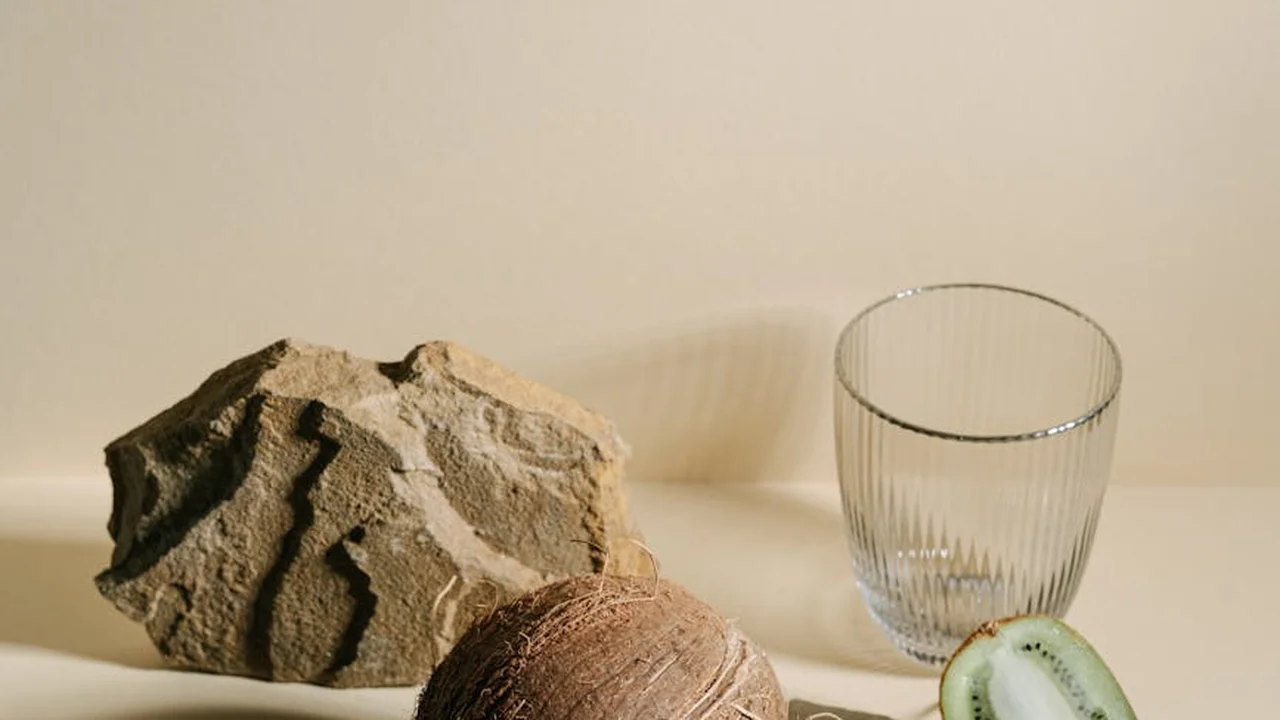
Think of your coconut oil as a quiet, steady friend. It does not like drama. Its three big enemies are heat, light, and air. Protect it from these, especially when using it for cooking and baking, and your oil will stay happy for a long time.
Keeping it in a cool, dark pantry or cupboard is the sweet spot for most homes. That spot away from the stove or a sunny window is perfect. The temperature stays fairly consistent, which is what the oil wants.
For your container, I always reach for glass. A glass jar with a tight-fitting lid seals out air and will not interact with the oil. I keep my daily-use jar in a simple pint mason jar. Avoid storing it long-term in plastic, as the oil can absorb odors and the plastic can sometimes leach.
Does Container Material Matter?
It matters more than you might think. Glass is inert. It will not change your oil’s scent or properties. Plastic, on the other hand, is porous. Over time, oils can pull compounds from plastic, like a very slow, unwanted tea.
If you buy oil in a plastic tub, consider transferring it to a clean glass jar once you open it. Different oils can have different storage needs; olive oil, coconut oil, and essential oils included. We’ll explore how storage varies by oil type in the next steps. For those storing larger quantities, food-grade stainless steel is a great option. Just avoid reactive metals like copper or iron, which can cause the oil to spoil faster.
A Special Note for Bulk: Coconut Oil Storage Tanks
Maybe you make soap in big batches or use coconut oil for everything. If you have gallons of it, storage gets serious. The rules are the same, just bigger.
Use an opaque, food-grade container designed for oils and keep it in a temperature-controlled space, like a basement or dedicated storage room. Light and wild temperature swings are the biggest threats to your bulk supply. A steady, cool environment is your best investment.
How Long Does Coconut Oil Really Last?
This depends heavily on the type of coconut oil you have. Unrefined, virgin coconut oil, with its lovely coconut scent and full spectrum of compounds, typically lasts about 2 to 3 years. Refined coconut oil, which is processed to be odorless and have a higher smoke point, often lasts longer, from 3 to 5 years.
A “best-by” date is a guideline for peak quality, not an expiration date for safety. Your nose and eyes are better tools. Good coconut oil smells mildly sweet and nutty. Rancid oil smells sharp, bitter, or like crayons. Unlike some other oils, natural oils can expire and lose their potency over time.
Then there’s fractionated coconut oil. This liquid oil has had certain fatty acids removed. Because of this process, fractionated coconut oil is incredibly stable and can last for years, sometimes almost indefinitely, without going rancid. I keep a bottle in my apothecary mainly for making massage oils and skin serums that need to stay clear.
Your Senses Know Best: Spotting Rancid Coconut Oil
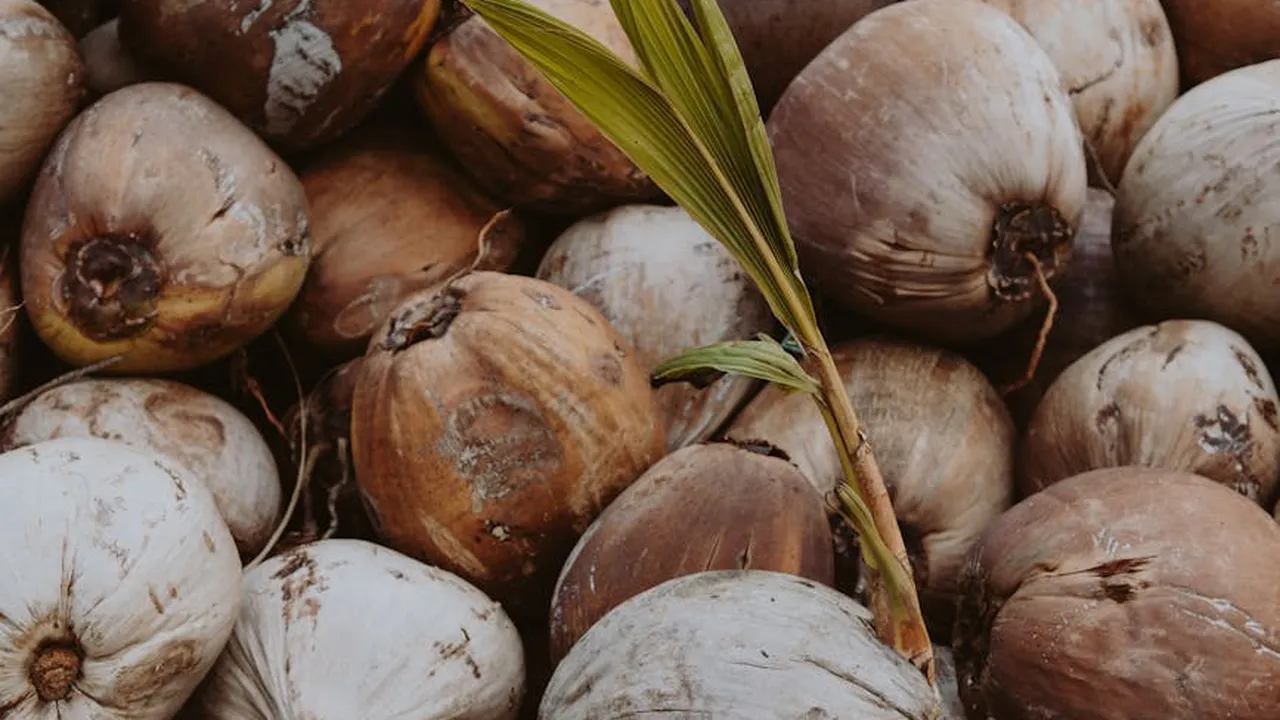
Your nose and eyes are your best tools here. Good coconut oil has a pleasant, mild, tropical scent. When it turns, that scent disappears or becomes waxy and stale, like old crayons.
If the smell is off, you don’t need to taste it. But if you’re making a recipe and suspect the oil, a tiny taste will confirm it. Fresh oil is subtly sweet; rancid oil tastes sour, bitter, or just “wrong.”
Visually, look for unusual dark yellow or brownish spots. Sometimes, you might see subtle mold. Trust that initial gut feeling-if something seems off, it probably is.
To dispose of rancid oil safely, don’t pour it down the drain. I scoop it into an old container or can, mix it with an absorbent like coffee grounds or cat litter, and toss it in the trash.
For an oil that’s just past its prime but not clearly rancid, I use a simple rule. I am much stricter with oil I plan to eat than oil I plan to use on my skin or hair. A slightly old jar becomes a dedicated body oil or pre-shave treatment.
Special Storage Situations for Different Uses
Your daily cooking jar needs a cool, dark spot. Never keep it right next to the stove. The constant heat from cooking will slowly break it down. I keep my main jar in a lower cabinet, away from the oven.
For hair treatments, consider a smaller dedicated jar. This keeps your main supply pristine. I have a little 2-ounce jar on my bathroom shelf (but not in the shower!) just for weekly scalp treatments.
If you’ve melted coconut oil to make a lotion or deodorant, let it cool completely to solid before you put the lid on. Capping a container while the oil is still warm traps steam inside, which can introduce water and lead to spoilage. Patience is key, especially when using coconut oil for skin care.
Speaking of bathrooms, avoid storing any coconut oil there. The heat from showers and the constant humidity create the perfect environment for mold and rapid rancidity. Find a bedroom drawer or linen closet instead.
Recommended Products for Storing Coconut Oil Well
Choosing the right container makes all the difference in keeping your coconut oil fresh and effective for your skin, hair, and kitchen creations. Here are my go-to storage solutions from my own apothecary, along with best practices to preserve freshness for both coconut and olive oils.
For your daily scoop-like for a hair mask or a moisturizer-I always use small amber or cobalt blue glass jars with wide mouths. The dark glass acts like sunglasses for your oil, filtering out light that can break it down and turn that sweet, nutty scent sour. A wide mouth is a practical must; it lets you get a clean spoonful when the oil is solid, without any fuss.
When I buy a large jar to refill my smaller ones, I transfer it to a dedicated, airtight container for the pantry. A truly airtight seal, like on a glass or stainless steel canister, is your best defense against oxidation, which leads to rancidity. I keep this main supply in a dark cupboard, far from any heat source, to preserve its quality for the long term.
If you love a soft, spreadable texture and live in a cool climate, consider a ceramic butter crock. The water seal in the base creates a naturally cool, stable environment that keeps the oil at a perfect, spreadable consistency for body butter or cooking. On my counter in spring, this method keeps my oil ready to use without any refrigeration.
Your Quick Coconut Oil Storage Questions, Answered
Should I worry about my coconut oil going from solid to liquid on the counter?
Not at all. This natural change with temperature is just a phase shift, like butter softening. It does not mean your oil is spoiling or losing its beneficial properties.
Is it okay to store coconut oil in the plastic tub it came in?
For short-term daily use, it’s fine. For long-term storage, I recommend transferring it to a clean glass jar to prevent any potential transfer of odors or compounds from the plastic.
What’s the ideal temperature for my pantry storage?
Aim for a cool, consistent spot below 75°F (24°C). The key is avoiding heat waves and direct sunlight, not hitting a specific number.
If I do use the fridge, does the exact temperature matter?
Your standard refrigerator setting is perfect. The goal is simply a consistently cool, dark environment-there’s no need for a special “oil” zone.
How do the storage rules change if I buy a very large quantity?
The principles are the same, but diligence is greater. For bulk tanks or large containers, prioritize a permanently cool, dark location and an airtight, opaque, food-grade container to protect your investment.
Storing Coconut Oil for a Fresh, Happy Apothecary
The single most important rule is to treat coconut oil like a delicate botanical. Keep it in a cool, dark cupboard away from the stove, and let your nose be your guide—a fresh, sweet scent means it’s ready for your skin, hair, or homemade creations.
I invite you to explore more of our guides here at Botanical Oils for your body, skin, hair, wellness, and home. Trust the knowledge you’re building and enjoy the simple ritual of caring for your oils. For daily skincare, consider how to use rosehip oil and other botanical face oils in your routine to support healthy, radiant skin. Our guides offer practical tips to weave these oils into your day-to-day regimen.
Noemi Kamińska
Noemi is an accomplished wellness researcher, nutrition care guide and body care expert. She has years of experience in formulating various oil combinations for full body wellness including face, hair, body care, essential oils and cooking oils. She works as a bio-formulator working with oil chemistry and analyzing the best formulations when it comes to your needs. Feel free to reach out to get your oil needs sorted.