
Where Can You Buy Coconut Oil Products in Stores?
Staring at endless shelves or scrolling through online listings for coconut oil can leave you feeling stuck. From my own apothecary shelf to your local store, I’ll help you find what you need without the hassle.
You can reliably find coconut oil in several common retail spots, and knowing where to look saves you time and money.
- Major grocery store aisles that stock it
- Health-focused and wellness retailers
- Large big-box and department stores
- Your neighborhood markets and specialty shops
- How to choose a quality product on the spot
Where to Find Coconut Oil in a Physical Store
You can find coconut oil in several types of stores, each with its own flavor of selection. Your local grocery store is your most reliable bet for a standard jar. Pharmacies and big-box stores are great for convenience, while natural food markets offer the widest variety of specialized brands.
Your typical pharmacy, like CVS or Walgreens, usually stocks one or two popular skin-care brands in small jars. A large supermarket, on the other hand, will have a whole shelf of options, from value cooking oils to organic, cold-pressed jars for body care.
Most of these stores have generous weekend hours, so if you find yourself asking, can we buy coconut oil on Saturday, the answer is almost always yes. I’ve made many a Saturday afternoon run myself.
When you’re in the store, you’ll need to know where to look. Check three main spots: the cooking oil aisle, the natural or organic foods section, and the beauty or hair care aisle.
Before you head out, I always use the store’s own website or app to check local stock-it saves so much time and gas.
Grocery and Supermarket Aisles
So, what aisle is coconut oil in? Start by the other cooking oils-canola, olive, and vegetable. It’s often right there, sitting solid in the jar. Many stores also have a dedicated natural foods section where you’ll find the organic and specialty brands.
Don’t overlook the store brand, like Simple Truth at Kroger or Good & Gather at Target. These store-brand oils are often a fantastic value for everyday kitchen use or making big batches of body butter.
Pharmacies and Convenience Stores
Yes, both CVS and Walgreens carry coconut oil. You’ll typically find it in the beauty aisle near the lotions, or sometimes in a first-aid section marketed for skin hydration. The selection is smaller, often limited to one or two common personal care brands in 8- or 16-ounce jars.
This is perfect for when you need a small jar quickly for a skin recipe or hair mask, but you won’t usually find gallon-sized tubs or food-grade bulk options here.
Specialty and Big-Box Retailers
For a broader selection, natural chains like Whole Foods or Sprouts are your destination. Their shelves are lined with options: raw, cold-pressed, centrifuged, and everything in between. Warehouse clubs like Costco or Sam’s Club are ideal for buying in serious bulk, often offering large tubs of organic virgin oil at a great price per ounce.
Also, check beauty supply stores or shops that cater to DIY makers. These are the spots where I often find fractionated coconut oil, which stays liquid and is perfect for crafting massage oils or scent blends.
How to Find Coconut Oil Products ‘Near Me’
The key to a successful “buy coconut oil near me” search is using online tools before you ever leave home. This simple method turns a potential wild goose chase into a quick, sure thing.
- Open the website or app of your chosen store (like Walmart, Target, or your local grocery chain).
- Use their store locator feature and enter your zip code.
- Once you’ve selected your local store, use the “check inventory” or “see products at this store” function.
Be specific in your search on the store’s site—look for “virgin coconut oil” for cooking and skin care, or “fractionated coconut oil” for DIY projects, as they are stocked in different sections; understanding the key differences and benefits between the types can help you choose the right one.
For less common types, like a specific organic brand or a large bulk size, I take one extra step. I call the store’s customer service desk directly. A quick chat with a staff member who can walk to the aisle gives you absolute confirmation and saves a wasted trip. It’s a habit that has never let me down.
Picking the Right Coconut Oil for Your Needs
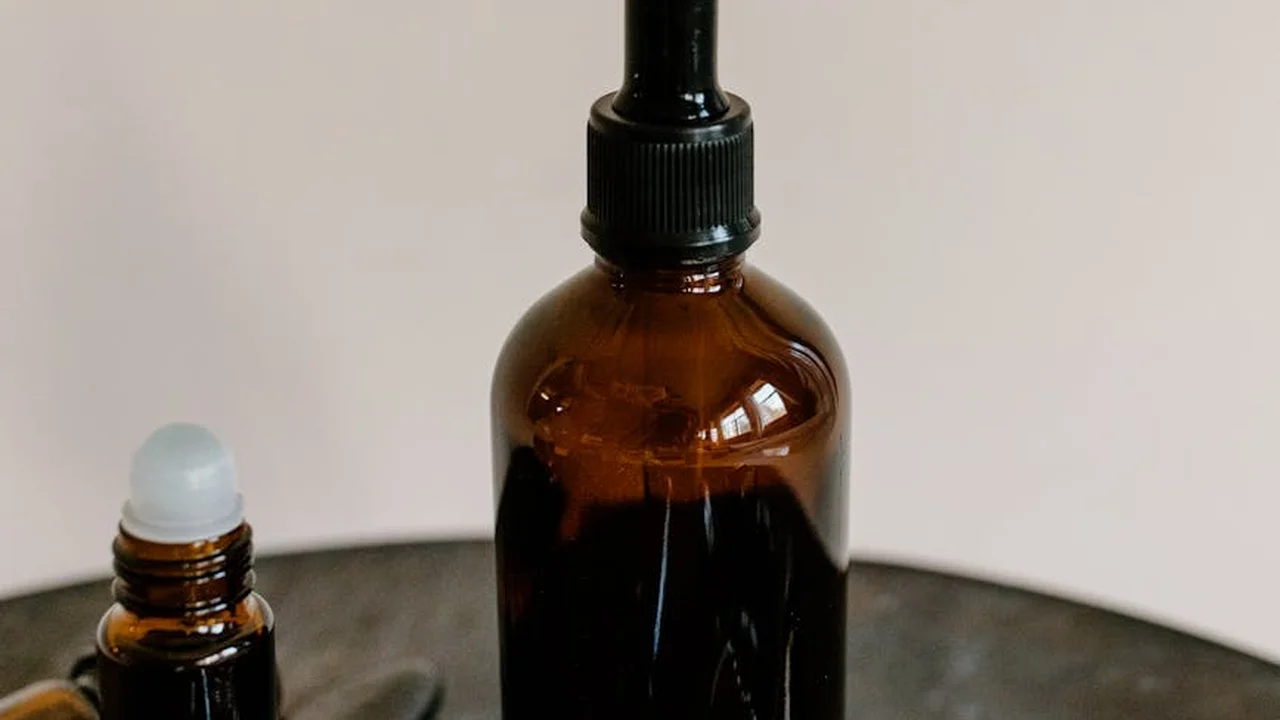
Think of coconut oil like a versatile tool. You wouldn’t use a wrench to stir a soup. Matching the oil’s specific properties to your project-whether it’s a curry, a hair mask, or a massage blend-makes all the difference.
Here’s a quick guide to texture, scent, and shelf life.
- Virgin/Unrefined Coconut Oil: Solid below 76°F, pronounced tropical aroma, rich in nutrients. Shelf life: 1-2 years.
- Refined Coconut Oil: Often solid, neutral scent and flavor, higher smoke point. Shelf life: 1-2 years.
- Fractionated Coconut Oil: Always liquid, odorless, very stable. Shelf life: 2+ years.
I keep all three types on my shelf. The virgin oil is for my body and special recipes, the refined is for everyday high-heat cooking, and the fractionated lives in my blending studio.
For Cooking and Kitchen Use
Your choice here comes down to flavor and heat. Refined coconut oil has been processed to remove the coconut taste and smell, making it a neutral cooking fat. It’s a handy option for cooking and baking, with simple techniques for using coconut oil in recipes.
Virgin or unrefined oil retains that lovely coconutty aroma and is perfect for dishes where you want that flavor, like Thai curries or baking.
“Cold-pressed” means the oil was extracted without using heat, which helps preserve more nutrients. For high-heat frying, it’s not critical. For low-heat applications or drizzling, it can be worth the small premium for a higher quality cold-pressed oil.
If you’re searching for something like “buy coconut oil for cooking in India,” you’re likely seeking oils from specific regions known for quality, like Kerala. This is where online specialty retailers truly shine for finding authentic, imported products.
For Skin, Hair, and Body Care
For personal care, you want the good stuff. Always reach for virgin or extra-virgin coconut oil. The minimal processing keeps all the skin-loving compounds intact.
Please do a patch test before slathering it on. Coconut oil is comedogenic, meaning it can clog pores for some people. Test a dime-sized amount on your inner forearm for 24 hours.
When you want to buy coconut oil for skin, consider the jar size. A small 8-ounce jar is perfect for the bathroom cabinet. I store mine away from the direct steam of the shower to help it stay fresh longer. For full-body use, a 16-ounce jar is more practical.
Specialty Oils: Fractionated and More
Fractionated coconut oil is a game-changer for crafters. It’s processed to remove the long-chain fatty acids, leaving a light, liquid oil that never solidifies and has no scent. It also shines in body care and wellness, thanks to its light, non-greasy feel. Its best uses include skin care formulations and massage blends.
This makes it an ideal carrier oil for diluting essential oils in massage blends, rollerballs, and homemade sprays. You can find it at online retailers specializing in soap-making or aromatherapy supplies, some big-box craft stores, and wellness shops.
Beyond that, you might see terms like “raw” (processed at very low temperatures) or “centrifuge extracted.” These are often premium, small-batch oils prized for their exceptional purity and nutrient profile.
Seeking Out Special Finds: Bulk, Imported, and Online Shops
Buying coconut oil in bulk, like a one-gallon jug, can offer significant savings for a family or anyone who uses it daily for cooking and body care.
The trade-off is storage. You’ll need a cool, dark place for it. I transfer mine into a smaller, clean jar for daily kitchen use to avoid constantly opening the large container.
Online retailers open up a world of options. This is your best path for finding specific imported oils, whether you’re looking for a particular brand from the Philippines or a traditional oil from Nigeria. Searches like “buy coconut oil online” or “buy coconut oil 1 litre” lead you directly to these specialized sellers.
When shopping online, take a moment to read recent customer reviews. Always check the full ingredient list to ensure you’re getting pure coconut oil. A quick look at the seller’s “About Us” page can tell you a lot about their reputation and sourcing ethics.
Common Mistakes and How to Avoid Them When Buying Coconut Oil
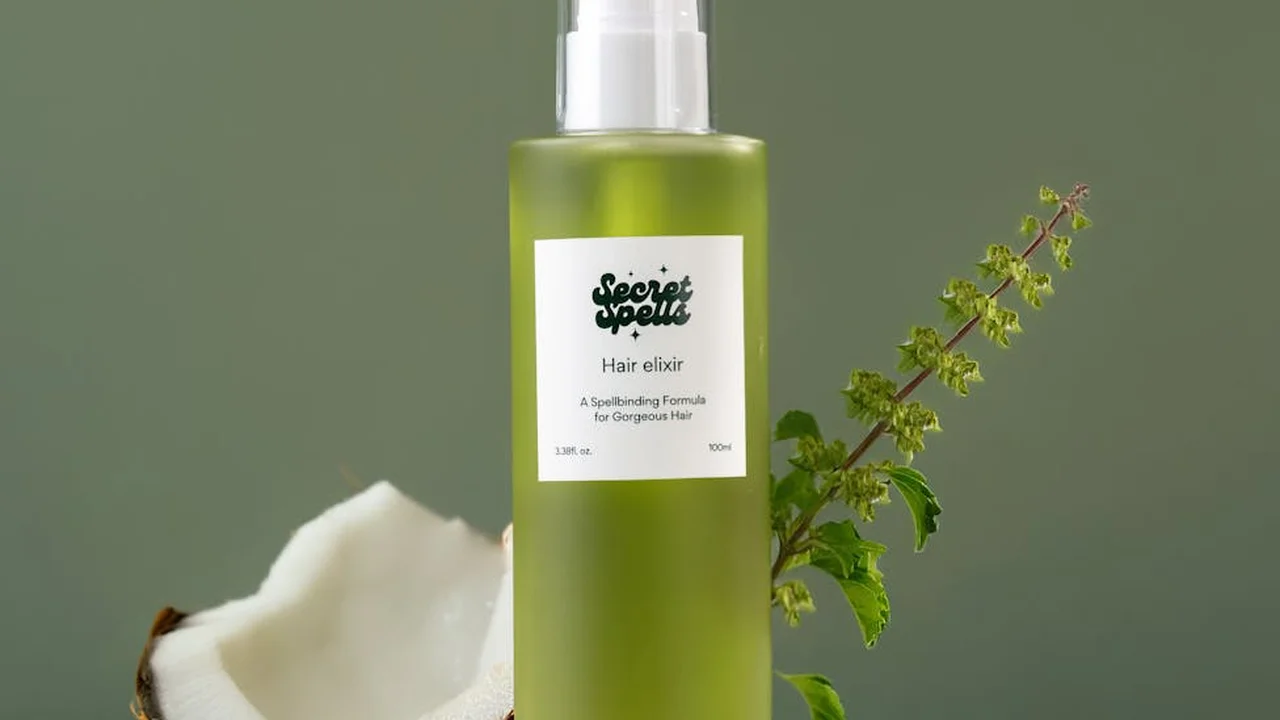
One of the biggest mistakes I see is thinking all coconut oil works the same. The jar of cheap, refined oil in the baking aisle and a small bottle of virgin oil from a natural shop are different creatures.
Refined oil has been bleached and deodorized, stripping away the natural compounds that make coconut oil so beneficial for your skin and hair. It is a fine, neutral oil for cooking. But for your body care, you want the good stuff.
The Liquid Oil Confusion
Here is a seasonal tip from my own kitchen. In cooler months, my jar of solid virgin oil often gets a clear, liquid pool on top.
This is just the oil melting naturally. Do not mistake this for fractionated coconut oil, which is a processed oil designed to stay liquid.
If you buy a clear, liquid oil from a grocery shelf in winter, you are likely just getting melted virgin coconut oil that will solidify at home. True fractionated oil is usually labeled as such and is more common in skincare product lines.
Becoming a Label Detective
Turn the bottle around and read the back. The front label can be misleading. Look for specific keywords in the ingredient list or description.
- Organic: This means the coconuts were grown without synthetic pesticides. I prefer it, especially for direct skin application.
- Cold-Pressed or Expeller-Pressed: This tells you the oil was extracted with minimal heat, preserving more nutrients.
- 100% Pure: This is your baseline. It should not be mixed with other oils.
Now, here is the tricky part. The word “pure” on its own does not guarantee the oil is unrefined or virgin. A refined oil can still be called “pure coconut oil.” You must look for “virgin” or “unrefined” to get the oil that retains its natural coconut scent, flavor, and skin-loving properties, unlike some refined oils used in cooking.
Coconut Oil Alternatives for Your Cabinet

Coconut oil is a wonderful multi-tasker, but it is not for everyone. Some skin types find it too heavy. If you are looking for a different feel, your oil cabinet has plenty of options, as do those who seek substitutes and alternatives for coconut oil.
Having a few different carrier oils on hand lets you customize your recipes for skin, hair, or home based on texture and need.
Jojoba Oil: The Skin Mimicker
If I could only have one other oil, it would be jojoba. Technically a liquid wax ester, its structure is remarkably close to our skin’s own sebum.
This makes it incredibly balancing. It absorbs beautifully without a greasy finish. Jojoba oil is my top recommendation for facial serums, oil cleansing, and for anyone who finds coconut oil too clogging. It sits right next to my sink.
Sweet Almond Oil: Light and Nourishing
For a classic, lightweight body oil, sweet almond oil is a dream. It has a faint, nutty scent and spreads easily over damp skin. It’s a great option when used on oily and combination skin.
It is rich in vitamin E and feels nourishing but never suffocating. I often use it for massage blends or to dilute essential oils for a full-body application. Sweet almond oil is a gentle, versatile workhorse perfect for everyday moisturizing.
Affordable, Lightweight Options
For projects where you need a lot of oil, or want something very light, consider these.
- Sunflower Oil (High-Oleic): Look for the high-oleic type. It is stable, affordable, and fantastic for homemade body butters or hair oil treatments. It leaves a soft, silky feel.
- Grapeseed Oil: This is the lightest of the bunch. It absorbs almost instantly. I use it for oily skin blends or as a base for linen and room sprays where I do not want a lingering oiliness.
Your Questions, Answered
How can I find authentic coconut oil from Kerala?
For genuine Kerala coconut oil, seek out specialty importers or online retailers that highlight direct sourcing and provide certifications of origin. This ensures you get the traditional, high-quality oil renowned for its purity and flavor.
What should I look for when buying coconut oil online?
Prioritize sellers with detailed product descriptions, clear photos of the label, and recent customer reviews about freshness. Always verify the ingredient list states 100% coconut oil and check the seller’s return policy before purchasing.
I’m in New Zealand. Where’s the best place to buy coconut oil?
You’ll find excellent options at local health food stores like Huckleberry or Commonsense, and many New Zealand-based online wellness shops stock quality brands. For bulk culinary needs, major supermarkets like Countdown or Pak’nSave often carry reliable one-litre jars.
Is buying a 1-litre jar a practical choice?
A 1-litre jar is a perfect balance for a household that uses coconut oil regularly for both kitchen and body care, offering better value than smaller sizes. Just be sure to store it in a cool, dark cupboard to maintain its freshness over time.
Can I find good quality coconut oil in Nigeria?
Absolutely! Look for locally produced, cold-pressed oils at markets or from Nigerian brands that focus on traditional extraction methods. Ensure the oil is stored in opaque, airtight containers to protect it from heat and light, which are key signs of a conscientious producer.
Your Coconut Oil Compass: Finding Quality in Every Drop
Always let the label tell the true story of your coconut oil. Choosing a cold-pressed, unrefined oil ensures a versatile and potent ally for your skin, hair, and home rituals.
I share more of my shelf favorites and blending experiments right here on the blog. Let this knowledge guide you, but always trust the feel of the oil in your hands and the results in your routine.
Citations and Authoritative Sources
Noemi is an accomplished wellness researcher, nutrition care guide and body care expert. She has years of experience in formulating various oil combinations for full body wellness including face, hair, body care, essential oils and cooking oils. She works as a bio-formulator working with oil chemistry and analyzing the best formulations when it comes to your needs. Feel free to reach out to get your oil needs sorted.