Beef Tallow, Lard, or Olive Oil: Which Is Truly Healthier for Cooking and Skincare?
Standing in your kitchen, you might feel stuck choosing between these traditional fats for your health and your skin. From my shelf to yours, I can tell you the best pick isn’t one-size-fits-all-it depends on your goal.
This article will give you the clear, practical comparison I use when deciding between tallow, lard, and olive oil for my own home.
- Their core health profiles and fatty acid makeup
- Heat stability and best uses for cooking
- How each one feels and benefits the skin
- My personal tips for choosing and using them
A Quick Guide to Our Three Contenders
Think of these three fats like different tools in your kitchen or on your skincare shelf. You wouldn’t use a delicate paintbrush to sand a rough piece of wood. Each one has a job it’s perfectly suited for.
Which one is healthier depends completely on whether you’re searing a steak or soothing your skin. This quick table shows their core differences.
Getting to Know Beef Tallow
Beef tallow is simply beef fat that’s been slowly melted and strained. Our grandmothers kept a crock of it for frying and baking. It’s a traditional fat that fell out of fashion but is now appreciated again.
In its solid state, it feels like a firm candle wax. It has a gentle, savory scent that reminds me of a good roast. This mild smell makes it a versatile base for both cooking and skincare, as it doesn’t overpower.
It’s very high in stable saturated fats, which gives it a high smoke point. This means it won’t break down and smoke easily at high temperatures. When people ask if beef tallow is healthier than vegetable oil, I think about this stability. Many processed seed oils are highly refined and can create harmful compounds when heated. Tallow is a whole, simple ingredient.
Beef Tallow in Your Kitchen
Use tallow anywhere you need high, steady heat. It’s my secret for the crispiest roasted potatoes and the most flavorful seared meats. It makes incredibly flaky, savory pie crusts too.
You can render your own from beef fat (ask your butcher for suet) or seek out grass-fed tallow from a trusted source. For high-heat frying or roasting, beef tallow is often a better, more stable choice than extra virgin olive oil, which can burn and become bitter.
Beef Tallow on Your Skin
On skin, tallow is deeply nourishing and occlusive. It acts like a protective barrier, which is wonderful for very dry patches, cracked heels, or soothing wind-chapped skin.
I keep a small tin of whipped tallow balm on my shelf. It’s like a vintage leather conditioner, but for your skin. Historically, it was the foundation of many healing salves.
Always do a patch test first, as its rich, waxy texture can feel too heavy for oily or acne-prone skin types. A little goes a very long way.
Getting to Know Lard
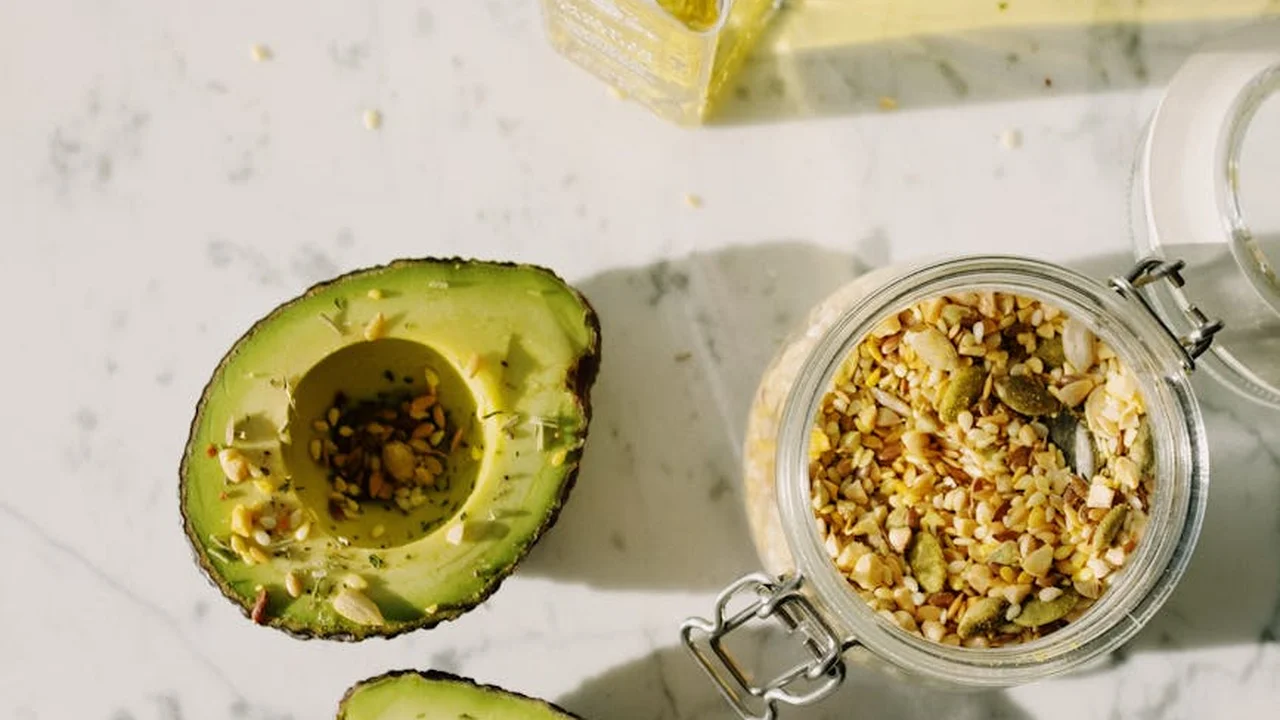
Lard is rendered pork fat, a cherished staple in traditional cuisines from Mexican tamales to flaky European pastries.
Compared to beef tallow, lard has a softer, creamier texture. When it is refined, the scent becomes very mild and neutral, which cooks appreciate.
Lard has a unique fat profile-it’s surprisingly high in monounsaturated oleic acid, similar to the fatty acid that makes olive oil famous.
Lard in Your Kitchen
Its neutral flavor makes lard perfect for biscuits, tamales, and frying. It creates an unbeatable, crispy texture.
For baking, seek out leaf lard from around the pig’s kidneys. It’s the gold standard for pie crusts. Regular lard is better suited for frying and sautéing.
Is cooking with lard better than oil? For specific textures like a shatteringly crisp crust or a melt-in-your-mouth biscuit, lard is often the superior choice.
Lard on Your Skin
On skin, lard feels rich and nourishing but absorbs slightly faster than tallow. It whips beautifully into luxurious body butters.
I keep a small jar of whipped lard blended with lavender oil by my sink. It’s my fix for dry, washed hands.
You must use only the highest-quality, cosmetic-grade lard intended for skin care to ensure purity and safety.
Getting to Know Olive Oil
Olive oil is the celebrated plant-based fat, pressed from the fruit of the olive tree. It’s the heart of the Mediterranean kitchen and apothecary. Its rich history spans from ancient cultivation to modern production.
Its flavor spans a wide spectrum. You can find robust, peppery extra virgin olive oil and mild, almost buttery light olive oil.
Olive oil is renowned for supporting heart health, thanks to its monounsaturated fats and powerful antioxidant polyphenols. Its fat content and fatty acid profile are routinely measured in quality analyses. These measurements help ensure consistency and freshness across batches.
Olive Oil in Your Kitchen
Use it for salad dressings, drizzling over finished dishes, or sautéing over medium heat. It also adds wonderful moisture to baked goods.
Do not use extra virgin olive oil for high-heat searing or deep-frying. The heat can damage its delicate compounds and create smoke.
For low to medium heat cooking, olive oil provides a flavorful, nutrient-dense option compared to more neutral animal fats. Understanding how butter and olive oil compare nutritionally can inform heart-healthy choices. This helps guide which fat to use in different dishes.
Olive Oil on Your Skin
As a skincare oil, it’s a liquid moisturizer that sinks in nicely. It’s ideal for the “oil cleansing” method to gently dissolve makeup and dirt.
I also love it in weekly hair masks and for massaging into dry cuticles and elbows.
A key safety tip: olive oil can be comedogenic for some people, so use it sparingly on facial skin to avoid clogging pores.
Head-to-Head: Cooking Showdown
So, which is healthier for cooking? The honest answer is: it depends on your pan and your plan. All three are wonderful, whole foods. The healthiest choice is the one you use correctly for the job.
Think of heat like a spotlight. Some oils can handle the bright, hot beam of searing. Others do their best work in the softer glow of a gentle sauté.
Choosing Your Heat Champion
For high-heat cooking like searing steaks, frying potatoes, or roasting vegetables at a high temperature, reach for tallow or lard. They have a high smoke point, which means they stay stable and don’t break down into unpleasant compounds when things get hot.
Beef tallow is my personal go-to for getting a perfect, crispy crust on a roast. It brings a rich, savory whisper to everything it touches.
Lard is more of a neutral player. It lets the natural flavors of your food shine, making it fantastic for flaky pie crusts or frying donuts.
Extra virgin olive oil is not your high-heat friend. It shines at medium to low temperatures. Use it for sautéing garlic, simmering a sauce, or roasting veggies at 375°F or lower. Plus, it’s excellent for baking and everyday cooking. It adds moisture and flavor to baked goods and savory dishes.
Its true superpower is in raw applications. Drizzle it over a finished dish, mix it into a vinaigrette, or use it to marinate cheese. The delicate flavors and beneficial compounds stay perfectly intact.
The Flavor Factor
Your fat is a seasoning. It carries a mood right into your meal.
Tallow adds a deep, meaty, almost umami richness. It makes roasted vegetables taste profoundly satisfying.
Lard is the quiet one. It imparts a slight, pleasant sweetness but mostly provides incredible texture without competing for flavor.
A good extra virgin olive oil is like a burst of sunshine. It brings grassy, peppery, or fruity notes. A dish finished with a vibrant olive oil is instantly lifted. Understanding the difference between virgin and extra virgin olive oil helps you choose the right bottle.
You might also wonder, is duck fat healthier than olive oil? It’s a similar story. Duck fat is another superb high-heat animal fat with a luxurious flavor, fantastic for roasting potatoes. Choosing between them is less about “healthier” and more about choosing the right tool for the recipe’s flavor and temperature needs.
Head-to-Head: Skincare Showdown
For your skin, “healthier” transforms into “what does your skin need today?” These are not one-size-fits-all solutions. Each brings a different gift to your skincare ritual.
My rule of thumb is simple: listen to your skin. It will tell you what it craves.
Matching Oil to Skin Need
Beef tallow is your shield-bearer. Its fat profile is remarkably similar to human sebum. I find it creates a protective, slightly occlusive barrier that’s perfect for angry, chapped, or wind-battered skin.
When my hands are cracked from gardening, a tallow balm is what I reach for to help them heal overnight.
Lard is the deep nourisher. It absorbs richly and feels profoundly moisturizing. If your skin feels depleted, thin, or desperately thirsty, lard offers a dense, replenishing treatment.
Olive oil is the accessible treat. It’s a lighter, greasier oil that’s wonderful for a quick massage or as a pre-shampoo scalp treatment. It gives a lovely glow and softness but doesn’t offer the same protective seal as tallow.
Texture Talk: How They Feel
Texture is everything when you’re putting something on your face.
Well-rendered tallow, when whipped, has a firm, waxy feel that melts on contact with skin. It leaves a velvety, matte-finish film.
Lard is inherently softer and creamier. It melts easily and leaves a more emollient, slightly glossy feel as it sinks in.
Olive oil is a straight liquid. It has that classic oily slip and leaves a distinct shine on the skin, which can feel luxurious or too heavy depending on your type.
Your Skin Type Has the Final Say
This is the most important part. What works for your parched heels may overwhelm your face.
For dry, mature, or eczema-prone skin, tallow and lard can be miracles. They offer the intense lipid support this skin often lacks.
For normal or combination skin, a little dab of whipped tallow on dry patches or a light touch of olive oil on damp skin might be perfect.
If you have oily or acne-prone skin, proceed with caution. These richer oils might be too much for your face. A patch test on your inner arm for a few days is a non-negotiable first step before slathering anything new on your complexion.
Other Wonderful Fats to Consider
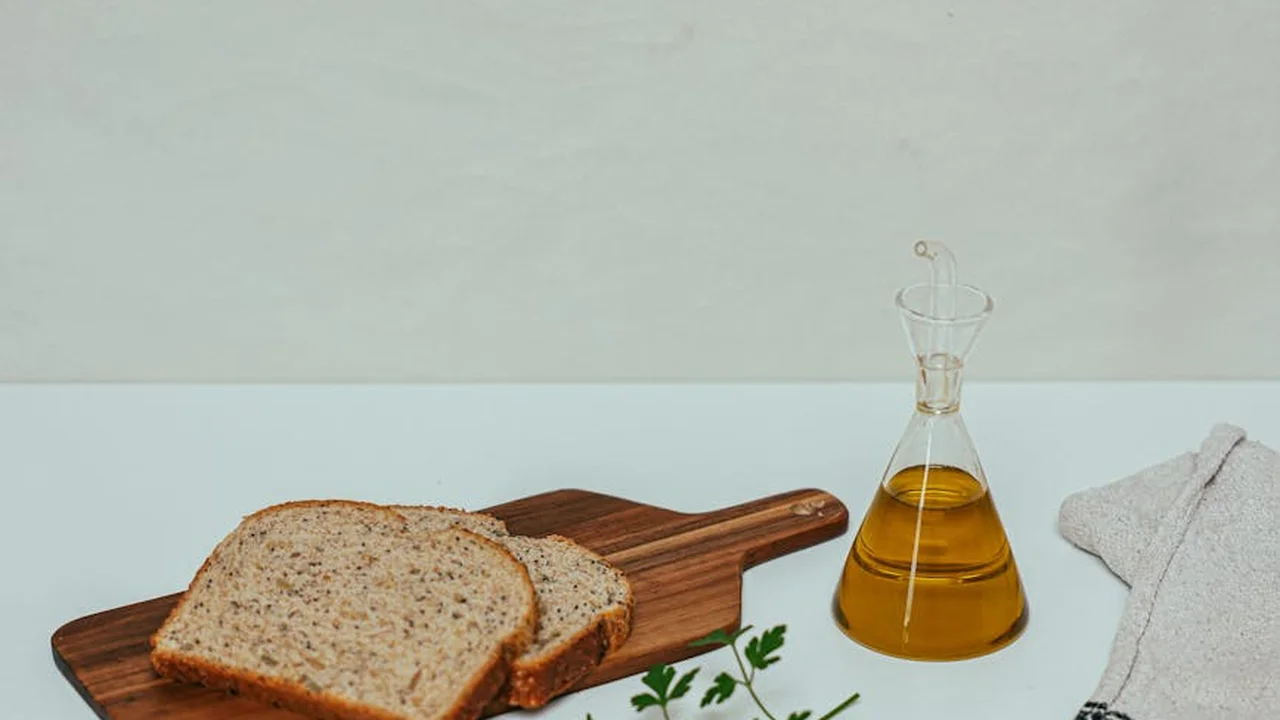
Your options don’t end with tallow, lard, or olive oil. Think of your kitchen or apothecary shelf as a toolkit. Sometimes you need a different tool for a specific job.
Ghee: The Kitchen’s Golden Clarified Butter
If you love the rich taste of butter but need a fat that won’t burn, ghee is your friend. It’s simply butter that’s been simmered to remove milk solids and water. This process gives ghee a high smoke point, around 485°F (250°C), making it fantastic for searing and frying. Because the lactose and casein are removed, many people with sensitivities find they can enjoy ghee without issue. On my own stove, a jar of golden ghee sits right next to my olive oil for when I want that nutty, rich flavor in a hot pan.
Avocado Oil: The Mild, Mighty Plant Oil
For a neutral-tasting plant oil that can take the heat, look to avocado oil. Its smoke point is similarly high, often above 500°F (260°C). Its great virtue is its mild flavor, which won’t compete with your other ingredients, and its silky texture that feels lovely on skin. For high-heat cooking and frying, avocado oil excels thanks to its high smoke point and stable fats, making it a practical kitchen staple. Its health benefits come from heart-healthy monounsaturated fats and vitamin E, supporting a wide range of uses from sautéing to finishing dishes. This naturally leads to the question: is beef tallow better than avocado oil? For skincare, tallow’s closer match to our own skin sebum can be more nourishing for very dry or compromised skin. For high-heat cooking, they are both excellent, so the choice comes down to whether you want a buttery, savory note (tallow) or no flavor at all (avocado oil).
How to Choose for Your Home
Feeling unsure where to start? Don’t overthink it. I use a simple three-question filter to decide which fat to reach for.
- Am I cooking or caring for my skin? This is your first and biggest fork in the road.
- What is my heat level or skin type? For cooking: low heat, medium saute, or high-heat sear? For skin: oily, balanced, dry, or reactive?
- What flavor or texture do I prefer? Do you want a fragrant, peppery note, a savory richness, or something completely neutral?
My best advice is to not choose just one. Keep a small selection of different fats for their different strengths. I usually have a bottle of extra virgin olive oil for dressings and low-heat cooking, a jar of rendered tallow for roasting vegetables and skin balms, and a tin of lard for the flakiest pie crusts. Avocado oil and ghee make regular appearances too.
Using these traditional, whole fats with intention-picking the right one for the task-is a quiet, powerful step. It moves you toward a simpler wellness, nourishing your body from your kitchen and caring for your skin with ingredients you recognize.
Your Questions, Answered
Can I directly substitute one for the other in any recipe?
Not quite-it depends on the heat and desired flavor. For high-heat searing, tallow or lard are stable swaps, but extra virgin olive oil would burn. For a neutral fat in baking, lard works, but olive oil will add a fruity note.
How should I store these for both kitchen and skincare use?
For kitchen use, keep all three in a cool, dark place. For skincare, always use separate, dedicated, clean containers to avoid cross-contamination from food particles.
Is one definitively the “healthiest” fat overall?
No, because health is context-dependent. Tallow and lard are champions for high-heat cooking stability, while olive oil shines for its heart-healthy monounsaturated fats and antioxidants when used raw or over low heat. In the next section, we’ll examine which cooking oils are healthiest for heart health. We’ll also discuss how they perform under high-heat cooking and their impact on nutrient absorption.
What’s the most important safety tip for using these on skin?
Always patch test a new fat on a small area of skin first. This is crucial, especially for those with oily or acne-prone skin, as rich oils like tallow and lard can be comedogenic for some.
If I’m new to this, which one should I try first?
Start with a high-quality extra virgin olive oil. It’s the most versatile plant-based option for both low-heat cooking and skin hydration, giving you a gentle introduction to using whole fats mindfully.
Your Kitchen, Your Apothecary
The healthiest choice is the one that best matches the job at hand. Honor their strengths: reach for olive oil for gentle warmth and fresh applications, and let rendered animal fats handle your high-heat cooking with stable grace.
I encourage you to listen to what your body and your recipes respond to best. I’m always testing blends and uses on my own shelf, like my favorite tallow balm for winter skin, and I welcome you to join me here for more practical notes from my home to yours.
Related Guides and Information
- r/cookingforbeginners on Reddit: Is using tallow healthier than vegetable oils – including olive oil?
- Olive oil VS Lard VS tallow, which is best for daily cooking? : r/Cooking
- Complete Beef Tallow vs Vegetable Oil Guide for Health and Flavor
- Robert F. Kennedy Jr. says beef tallow is healthier than seed oils. Is he right? | CNN
Noemi Kamińska
Noemi is an accomplished wellness researcher, nutrition care guide and body care expert. She has years of experience in formulating various oil combinations for full body wellness including face, hair, body care, essential oils and cooking oils. She works as a bio-formulator working with oil chemistry and analyzing the best formulations when it comes to your needs. Feel free to reach out to get your oil needs sorted.