
What Can Ghee, Mustard Oil, and Coconut Oil Truly Do in Ayurveda?
If you feel overwhelmed by modern wellness trends, these simple kitchen staples offer a comforting, time-tested path. From my own apothecary shelf, I can tell you that their power lies not in mystery, but in daily, tangible use for body and home.
I want to share how each oil serves a unique purpose in creating balance, just as they have in my practice for years.
- Ghee’s role in soothing digestion and nurturing radiant skin
- How mustard oil brings warmth to stiff joints and flavorful dishes
- Coconut oil’s ability to cool irritated skin and soften brittle hair
Key Takeaways Before You Begin
Let’s start with a bit of core wisdom I keep on my own shelf.
- Ghee is food and medicine, meant to be consumed.
- Mustard oil is often for external warmth and should be used with care.
- Coconut oil is a cooling protector for skin and summer cooking.
What’s “good for you” isn’t universal in Ayurveda it deeply depends on your body type (dosha) and even the season.
A quick safety note I always share: never use cosmetic or massage-grade mustard oil for deep frying, as it’s processed differently. For any oil you plan to eat or put on your skin, source high-quality, organic versions when you can.
| Oil | Primary Ayurvedic Energy | Best For These Doshas | Signature Home Use |
|---|---|---|---|
| Ghee (Clarified Butter) | Warming, nourishing, grounding | Vata, Pitta (in moderation) | Cooking, eating by the spoonful, carrying herbs |
| Mustard Oil | Deeply heating, stimulating, penetrating | Kapha, Vata (in cold) | Massage for stiff muscles, ear drops, pickling |
| Coconut Oil | Cooling, soothing, moisturizing | Pitta, sensitive skin | Skin and hair hydration, summer cooking, scalp massage |
Ayurveda and Your Body’s Needs: A Simple Guide
Think of your dosha as your natural, inborn weather pattern. We all have a mix, but one or two often stand out.
Vata is like a windy, dry autumn day. Pitta is a hot, sharp summer noon. Kapha feels like a slow, damp, cloudy morning.
The main rule is “like increases like.” So adding heat to a fiery Pitta person can cause imbalance. We use opposites to find balance. Coolness soothes Pitta. Warmth grounds Vata. Lightness invigorates Kapha.
Here’s a simple self check. Do you often feel cold, have dry skin, and your mind races? You might lean Vata. Do you run warm, get irritable easily, and have sensitive skin? Pitta could be strong. Do you feel heavy, sleepy, and tend to hold onto things? Look to Kapha.
Understanding Oil Properties: Guna, Rasa, Virya, Vipaka
These Sanskrit words are just the oil’s personality profile. I jot them down in my oil journals.
Guna is its quality (is it heavy or light?). Rasa is its initial taste. Virya is its heating or cooling power during digestion. Vipaka is its post digestive effect.
You don’t need to memorize them, but knowing an oil’s profile tells you exactly how it will behave in your body. I’ll detail each oil’s profile next, so you can see it in action.
The Golden Nectar: Ghee (Clarified Butter)
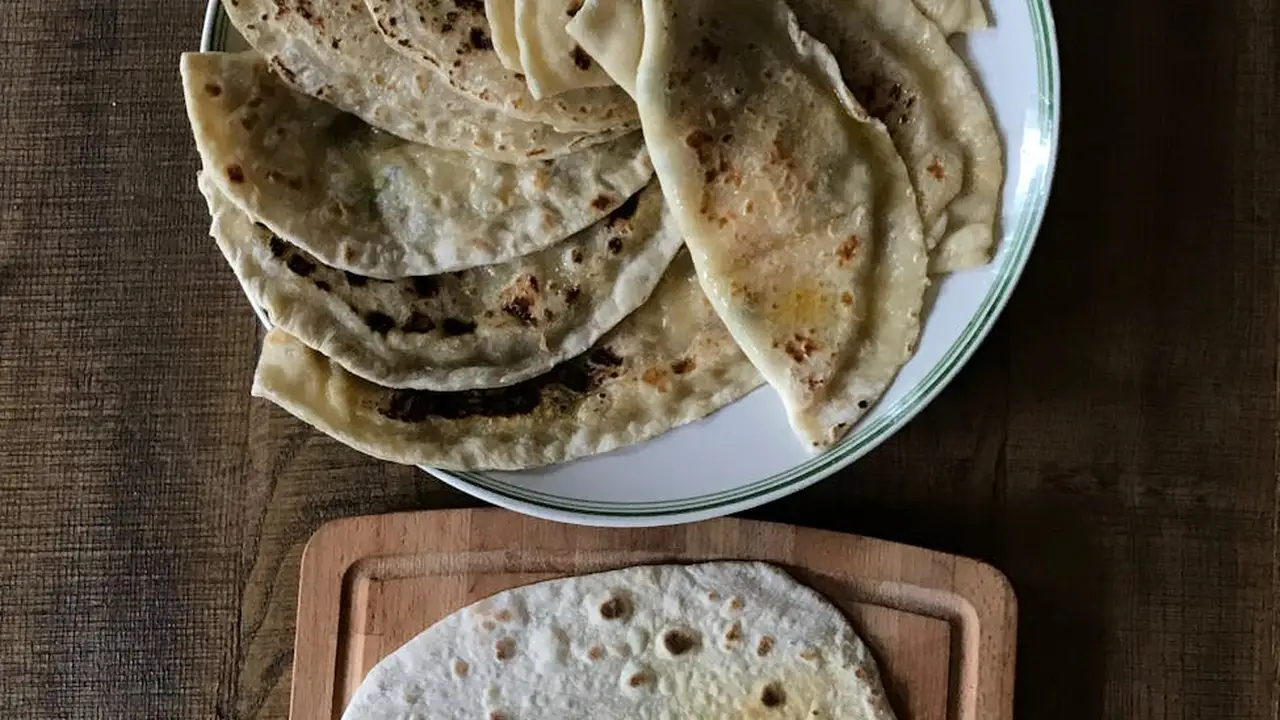
On my stove, ghee is the most used jar. It’s not just cooked butter. The milk solids are removed, leaving pure, golden oil that’s shelf stable and deeply nourishing.
| Guna (Quality) | Soft, smooth, unctuous, subtle |
|---|---|
| Rasa (Taste) | Sweet |
| Virya (Energy) | Cooling |
| Vipaka (Post-Digestive) | Sweet |
That sweet taste and cool energy make it rare. Ghee is one of the few warming oils that doesn’t aggravate Pitta, making it a true pacifier for all doshas when used wisely. It’s the ultimate carrier, believed to bring the benefits of herbs deep into your tissues.
How to Use Ghee for Wellness
Start your day. I melt a teaspoon of my favorite organic, grass fed ghee and sip it with my morning tea. It lubricates digestion from the inside.
Cook with it. Its high smoke point makes it perfect for sautéing spices. It makes vegetables taste rich and grounded.
Try it on skin. For extremely dry, cracked skin (hello, Vata winter heels), a thin layer of ghee at night works wonders. It’s edible moisturizer.
My go to use is for oil pulling: I swish a tablespoon for 10 minutes to pull toxins, then rinse. My mouth feels incredibly clean and soft.
The Warming Stimulant: Mustard Oil
This oil commands respect. Open a bottle and its sharp, pungent aroma fills the room. That smell tells you everything about its penetrating, heating power.
Mustard oil generates intense warmth, so I only recommend it for external use or in very specific food preparations like pickling. Never ingest it in large quantities without consulting an Ayurvedic practitioner, especially not for intimate use where specific oils are safer.
| Guna (Quality) | Sharp, penetrating, light |
|---|---|
| Rasa (Taste) | Pungent |
| Virya (Energy) | Heating |
| Vipaka (Post-Digestive) | Pungent |
How to Use Mustard Oil for Body & Home
For a stiff massage. Warm a quarter cup slightly. Massage it into sore muscles or stiff joints before a warm shower. Its penetrating heat brings blood flow to the area, creating a soothing, therapeutic warmth. Using the right base is crucial. Avoid it on sensitive or inflamed skin.
As ear drops. For occasional earache from cold wind (a Vata issue), one drop of room temperature mustard oil in each ear can provide relief. Always patch test first.
In the kitchen. It’s a classic pickling oil in India. Its strong flavor and preservative qualities keep pickles crunchy and flavorful.
For kapha types. A light chest rub (diluted with a carrier oil) during a congestive cold can feel opening. Its pungency helps clear stagnation.
The Cooling Protector: Coconut Oil
This oil is a summer savior in my home. It’s solid and creamy below room temperature, melting at the slightest touch. Its energy is distinctly cooling and soothing.
| Guna (Quality) | Heavy, oily |
|---|---|
| Rasa (Taste) | Sweet |
| Virya (Energy) | Cooling |
| Vipaka (Post-Digestive) | Sweet |
That heavy, sweet, cooling profile makes it Pitta’s best friend. It’s the oil I reach for when skin is red, sun kissed, or irritated, as it cools inflammation like a gentle drink of water.
How to Use Coconut Oil for Skin, Hair & Home
As a moisturizer. Apply a thin layer to damp skin after a shower. For Pitta rashes or mild burns, its cooling effect is immediate comfort.
For hair conditioning. Massage a tablespoon into your scalp and ends an hour before washing. It prevents protein loss and adds shine.
In summer cooking. Use it in place of ghee in summer for a lighter, cooler cooking fat. It’s lovely in cooling foods like oatmeal or smoothies.
I keep a small jar by the sink as a cuticle balm and hand salve. Its solid form makes it easy to scoop a tiny amount.
For oil pulling. Like ghee, it’s excellent. Its antimicrobial properties are well studied, and its sweetness is pleasant.
Ghee: The Golden Nourisher
In Indian culture, ghee is more than a cooking fat. It is a sacred offering, a symbol of prosperity, and a literal source of light in temple lamps. This clarified butter has been cherished for millennia not just for its rich, nutty flavor, but for its profound nourishing qualities.
Its primary job in Ayurveda is to stoke the digestive fire, or Agni, without irritating it. Ghee is seen as the ultimate carrier, helping to usher the benefits of herbs and spices deep into your tissues. It lubricates dry joints, soothes the nervous system, and is said to nurture all seven layers of the body, from the inside out.
Ghee’s Ayurvedic Profile and Your Dosha
Every substance in Ayurveda has a profile. Ghee’s is beautifully balanced.
- Guna (Quality): Smooth, soft, unctuous.
- Rasa (Taste): Sweet.
- Virya (Potency): Cooling.
- Vipaka (Post-Digestive Effect): Sweet.
This profile makes ghee tridoshic, meaning it can be used by all three mind-body types, or doshas. It is the best pacifier for Vata’s dry, light, and erratic nature. Pitta types, with their fiery constitution, benefit from its cooling sweetness, but should use it in moderation. Kapha, which is already oily and heavy, should use ghee very sparingly to avoid adding to those qualities.
How to Use Ghee in Cooking and Home Remedies
Traditionally, ghee is a medium for sautéing spices and vegetables, as its stable fats don’t break down at high heat like many oils. Its most powerful traditional use is in herbal preparations called ghritas, where medicinal herbs are simmered into ghee for weeks.
You can also use a teaspoon for oil pulling to support oral health, or simply rub a tiny bit inside your nostrils in dry weather.
Specific herbal ghees, like Triphala ghee for digestion or Brahmi ghee for the mind, are classic formulations. My personal rule is to start small, with just one teaspoon daily melted into warm food, and see how your body responds. Avoid it if you have a pronounced Kapha imbalance with lots of congestion, or if you feel heavy with ama, or digestive toxins.
On my own shelf, I keep a small jar of homemade ghee. My favorite morning ritual is stirring a generous spoonful into a bowl of steel-cut oatmeal with cinnamon. It makes the meal incredibly satisfying and keeps my energy steady for hours.
Mustard Oil: The Warming Stimulant
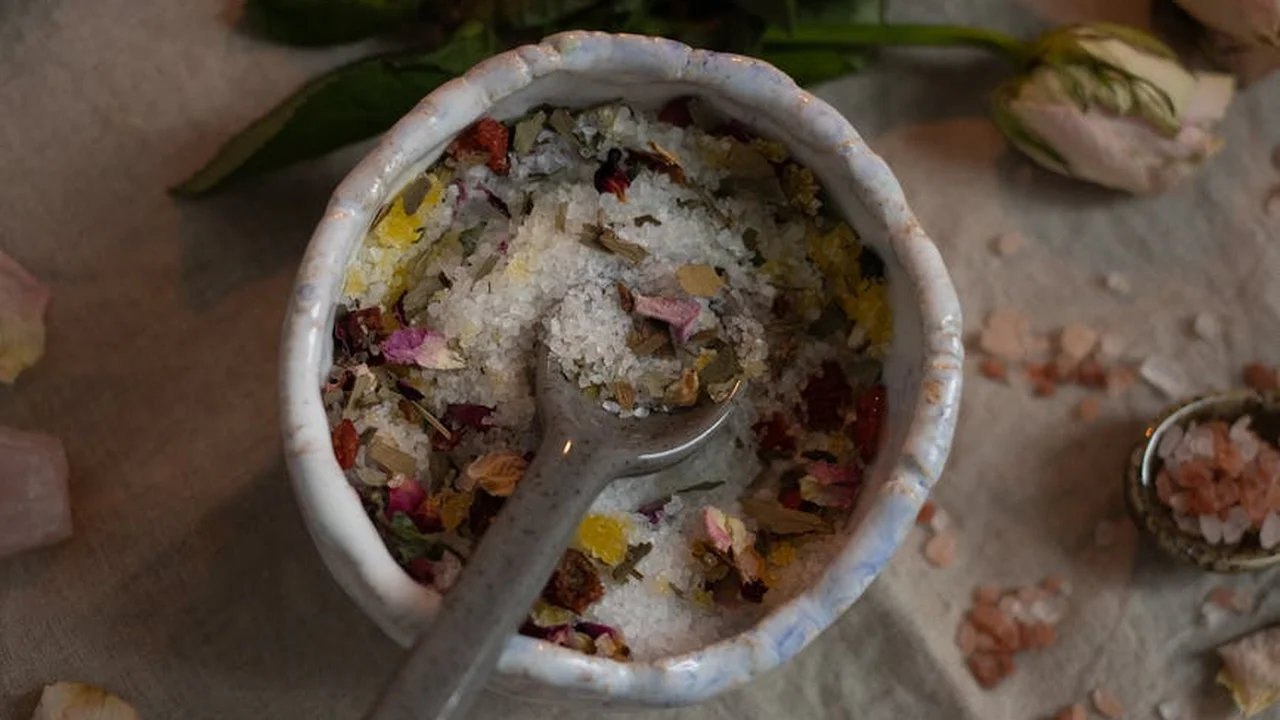
Mustard oil announces itself with a sharp, pungent aroma that clears the sinuses immediately. Historically, it wasn’t just for food. It fueled lamps and, most famously, warmed the body through vigorous massage, especially as a shield against the winter chill.
Its primary benefit is stimulation. It powerfully ignites circulation, helps break up respiratory and muscular congestion, and brings comforting warmth to stiff, cold joints. This is a crucial point: many mustard oils sold are labeled “For External Use Only.” For culinary use, you must seek out explicitly food-grade, cold-pressed versions.
Mustard Oil’s Ayurvedic Profile and Your Dosha
Mustard oil’s profile is the opposite of ghee’s gentle nature.
- Guna (Quality): Sharp, penetrating, light.
- Rasa (Taste): Pungent.
- Virya (Potency): Strongly heating.
- Vipaka (Post-Digestive Effect): Pungent.
This intense heat makes it a perfect match for Kapha dosha, which is cold, slow, and damp. Vata can benefit from its warming, penetrating action during cold, damp weather, but it can be too drying if used alone. Pitta types should generally avoid it, as its heating nature will aggravate their already fiery constitution.
How to Use Mustard Oil for Body and Home
Traditionally, a pre-winter Abhyanga (full-body massage) with warmed mustard oil is a rite of passage in some regions. A drop can be warmed and placed in the ear for earache (never if the eardrum is perforated). Its antimicrobial properties also make it a classic medium for pickling vegetables.
You’ll find it as a base in many herbal massage oils, like Kshirabala Taila, which combines it with nourishing herbs for nerve and joint support.
Always do a patch test on your inner arm before a full application, as the heat can be intense. Do not use it on inflamed, red, or sunburned skin. I avoid it during hot summer months and always recommend Pitta types choose a cooler oil like coconut.
For a wonderfully grounding ritual on a cold evening, try a foot massage.
- Warm a tablespoon of food-grade mustard oil by placing the bottle in a bowl of hot water.
- Sit comfortably and massage the warm oil into your feet, using firm, downward strokes on the tops and circular motions on the soles.
- Pay extra attention to your toes and heels.
- Put on a pair of old socks and let the oil soak in overnight. The warmth will travel up your entire body, encouraging deep sleep.
Coconut Oil: The Cooling Protector
Pull a jar of coconut oil from my apothecary shelf, and you will find a solid, creamy mass at room temperature. It scoops like softened butter and has a gentle, almost sweet scent that whispers of the tropics.
Its primary gift is cooling and soothing, making it a first choice for calming inflammation, moisturizing parched skin, and adding softness to dry, brittle hair. This oil doesn’t just sit on the surface, it supports the skin’s own barrier for lasting health.
Coconut Oil’s Ayurvedic Profile and Your Dosha
In Ayurvedic terms, we assess an oil by its core qualities. Coconut oil’s profile is clear.
- Guna (Quality): Heavy and Oily.
- Rasa (Taste): Sweet.
- Virya (Potency): Cooling.
- Vipaka (Post-Digestive Effect): Sweet.
This makes coconut oil the best pacifier for fiery, overheated Pitta dosha. It can also soothe Vata’s dryness in the heat of summer. For Kapha types, who are already cool and heavy, using it sparingly is wise, as too much can feel congesting.
How to Use Coconut Oil for Skin, Hair, and Kitchen
Traditionally, its cooling nature guides its use. You will find it in summer cooking, in scalp-soaking hair treatments (a form of Snehana, or oleation), and as a smooth base for herbal pastes.
Many classic herbal oil blends use coconut oil as their carrier. It is the common base for Bhringraj oil to support hair growth and health. I use it as a simple carrier for sandalwood powder to make a calming face mask.
It is my go-to for soothing sunburns or hot, irritated skin. If your skin or scalp is very oily or you tend toward Kapha imbalance, use a tiny amount or choose a lighter oil like sunflower.
Here is a simple recipe from my own shelf for post-sun care.
- Take 2 tablespoons of solid coconut oil.
- Add 5 drops of pure lavender essential oil.
- Stir gently until blended.
- Apply a thin, soft layer to cooled skin. The relief is immediate.
Your Practical Guide: Matching Oil to Need
Think of these three oils as your personal toolkit. Here is how to choose.
- For dry skin or brittle hair: Try a light application of coconut oil or a massage with warm, liquid ghee.
- For a heavy meal or sluggish digestion: Cook your onions and spices with a teaspoon of ghee.
- For feeling cold, stiff, or congested: Massage diluted mustard oil onto your chest or sore muscles.
- For an overheated mind or sun-kissed skin: Smooth on a little coconut oil.
- To oil wooden spoons or condition cutting boards: Use a dab of food-grade coconut oil or ghee.
Lean into coconut’s coolness in summer, welcome mustard oil’s warmth in winter, and rely on balancing ghee year-round. This is holistic thinking, using one resource for body, home, and kitchen.
A Simple Week of Ayurvedic Oils
You do not need to do everything at once. Try weaving one in each day.
- Monday: Start your day with a teaspoon of ghee melted into your morning coffee or tea.
- Tuesday: Before your shower, massage a bit of coconut oil into your scalp and hair lengths.
- Wednesday: Give yourself a warming foot rub with mustard oil diluted in a carrier oil.
- Thursday: Sauté your evening vegetables in ghee.
- Friday: After washing your face, pat skin with a single drop of coconut oil for light moisture.
- Saturday: Pan-fry fish or vegetables using mustard oil for its robust flavor.
- Sunday: Rest. Perhaps just enjoy the scent of ghee on your warm toast.
Common Mistakes and How to Avoid Them
Bringing these ancient oils into your life is a beautiful practice. But a few small missteps can lead to discomfort or missed benefits. Let’s smooth the path.
Using the Wrong Oil for Your Dominant Dosha
Ayurveda is all about balance. Using an oil with qualities opposite to your nature can create harmony. Using one that matches your imbalances can amplify them.
Imagine trying to put out a fire with gasoline. That’s what it’s like for a fiery Pitta person to use heating mustard oil daily on their skin or scalp. It can lead to more irritation, redness, and that feeling of overheating.
Choose your oil like you’d choose a friend for the day-pick one that balances your energy, not mirrors it. For Pitta, cooling coconut oil is a classic ally. For Kapha’s heaviness, light, penetrating mustard oil can be stimulating. For Vata’s dryness, the nurturing, unctuous quality of ghee, both inside and out, is deeply comforting.
Overheating Oils and Destroying Their Properties
Heat changes oil on a molecular level. It breaks down the delicate compounds that give each oil its therapeutic power and can even create harmful substances.
I learned this the hard way with a beautiful jasmine-infused coconut oil I overheated. It lost its gorgeous scent and left my skin feeling oddly dry.
Respect the smoke point—that wisp of smoke is your cue that the oil is breaking down. Ghee has a high smoke point and is stable for cooking. Coconut oil is good for medium-heat sautéing. Mustard oil for culinary use should be heated to its smoking point once, then cooled, before adding food to temper its pungency. For skin and hair applications, always use oils at room temperature or gently warmed in your palms. Understanding the smoke points of various oils helps in choosing the right one for your cooking needs.
Using Externally-Marketed Mustard Oil for Frying
This is a critical safety point. In many places, especially in Western markets, mustard oil sold for massage or external use is labeled “For External Use Only.”
This oil has not been processed or regulated for food safety. It may contain higher levels of erucic acid or other compounds not intended for consumption.
The oil you cook with must be explicitly labeled as a food-grade culinary oil. Different culinary oils have distinct taste profiles for cooking and baking. Choosing the right oil can enhance flavor and texture. They come from the same plant, but their preparation and regulation differ. Keep two bottles if you use it for both body and kitchen. The one in my kitchen is clearly marked “culinary,” and the one on my apothecary shelf is for warming massages.
How to Source the Right Mustard Oil:
- For Cooking: Look for bottles in the international foods aisle or specialty Indian grocers that are clearly meant for food. Read the label.
- For Body Care: Look for oils in natural wellness stores, often labeled for massage or external Ayurvedic use. Reputable brands will state its purpose.
Assuming “More is Better” with Ghee for Kapha
Ghee is celebrated for its healing, but it is also rich, oily, and heavy. These are the exact qualities that can aggravate Kapha dosha when out of balance.
If you tend toward sluggish digestion, weight gain, or congestion, slathering on ghee or taking it by the spoonful can make you feel worse.
For Kapha types, ghee is a medicine, not a food staple. Use it sparingly and with awareness. A teaspoon melted over warm food to aid nutrient absorption is a wise approach. For skin, a tiny amount goes a very long way. I blend a dab of ghee with lighter oils like sunflower for my Kapha friends.
Forgetting a Patch Test with Pungent Oils
Mustard oil is powerful. Its warming, stimulating nature is wonderful, but it can be too intense for sensitive skin. A patch test saves you from a large, uncomfortable reaction.
I never skip this. Even after years, my skin can surprise me with a new sensitivity.
Always dilute a potent oil in a carrier and test it on a small area of skin before a full application. This is non-negotiable for oils like mustard.
My Simple Patch Test Method:
- Mix 1 drop of mustard oil with 1 teaspoon of a mild carrier oil like coconut or sesame.
- Apply a dime-sized amount to the inside of your elbow or behind your ear.
- Cover with a bandage and leave for 24 hours.
- Check the area. Any redness, burning, itching, or raised bumps means this oil is not for your skin right now.
Your Questions, Answered
Can I safely ingest mustard oil, or is it only for external use?
For safety, I recommend using mustard oil primarily for external warming therapies like massage. If you wish to use it in food, you must seek out a bottle explicitly labeled as food-grade and cold-pressed for culinary use, unlike automotive or other non-edible oils.
How much ghee is it safe to consume daily for general wellness?
A great starting point is 1-2 teaspoons daily, melted into warm food or beverages. Listen to your body-if you feel heavy or sluggish, reduce the amount, as it is rich and nourishing.
I have oily skin and hair. Is coconut oil still a good choice for me?
If your skin and hair are naturally oily (a Kapha tendency), use coconut oil very sparingly. Try a tiny amount on just the ends of your hair or avoid it on your face, as its heavy quality can feel congesting.
Which of these oils would be best for a calming evening ritual?
For a truly grounding evening, I reach for ghee. A warm foot massage with a small amount can soothe the nervous system and prepare the body for deep, restful sleep.
Are there any seasons when I should avoid using a particular oil?
Yes, seasonal awareness is key. Avoid overly heating oils like mustard during hot Pitta summers, and lean into cooling coconut oil instead. In cold, dry Vata seasons, reduce the use of drying oils and embrace nurturing ghee.
Bringing Ancient Wisdom Home
The most meaningful step is simply to invite one of these oils onto your shelf and into your weekly rhythm. Their true magic unfolds through consistent, mindful use rather than occasional perfection.
I hope this guides your own experiments, and I welcome you to follow along here for more practical ways to work with botanicals. Trust the wisdom in your hands as much as the knowledge you gather; your own experience will become your best guide.
Noemi Kamińska
Noemi is an accomplished wellness researcher, nutrition care guide and body care expert. She has years of experience in formulating various oil combinations for full body wellness including face, hair, body care, essential oils and cooking oils. She works as a bio-formulator working with oil chemistry and analyzing the best formulations when it comes to your needs. Feel free to reach out to get your oil needs sorted.