
Is Coconut Oil a Good Tanning Oil? Safety, Benefits & Risks Explained
Reaching for coconut oil before heading into the sun feels like a natural choice for a glowing tan. Having used it in my own routines, I want to help you understand the clear benefits and very real risks.
While coconut oil is a superb skin moisturizer, it provides almost no protection from the sun’s burning rays. In this article, we’ll look at:
- How coconut oil behaves on skin in direct sunlight
- The truth about its very low natural SPF
- Why relying on it alone can lead to a painful burn
- Safer ways to incorporate it into your sun time
- What I keep on my shelf for better sun-safe options
Key Takeaways: Coconut Oil & Sun in a Nutshell
Before we get into the details, here is what you need to know right now.
- Coconut oil is not a substitute for sunscreen. Its sun protection factor (SPF) is minimal, estimated between 4 and 7.
- It blocks almost no UVA rays. These are the rays that cause deeper skin damage and aging, meaning you are not protected from the most harmful effects.
- Think of it as a skin conditioner that might help you tan faster, not safer. By moisturizing the skin’s surface, it can help you achieve color more quickly, which significantly increases your risk of burning and damage.
Quick Snapshot: Coconut Oil vs. What You Need
This table cuts through the confusion. It shows you exactly where coconut oil fits, and what you’re missing if you use it alone.
| Product | UV Protection Level | Primary Purpose | Best For | Key Risk |
| Coconut Oil | Very Low (SPF ~4-7), no UVA block. | Skin conditioning, moisturizing, may accelerate tanning. | Very short, casual sun exposure if you already have a base tan. Best used after sun. | Severe sunburn and long-term skin damage from unprotected UVA/UVB exposure. |
| Commercial Tanning Oil | Low to None. Often contains minimal SPF (0-15) and focuses on UVB over UVA. | Accelerating tanning through oils and sometimes chemical “tinglers”. | Fast tanning for those with darker, less sensitive skin who accept the high risk. | Extremely high risk of burn and damage. Often encourages excessive sun exposure. |
| Broad-Spectrum Sunscreen | Measured and labeled (SPF 30+). Blocks both UVA and UVB rays. | Protecting skin from sunburn, premature aging, and cellular damage. | Any intentional sun exposure. The only safe choice for prolonged time outside. | User error (not applying enough, forgetting to reapply). |
My own bottle of fractionated coconut oil lives on my after-sun shelf, not with my sun protection. I use it to help soothe skin that’s already been properly protected and is just feeling a bit warm.
The Sunscreen Myth: Will Coconut Oil Protect Your Skin?
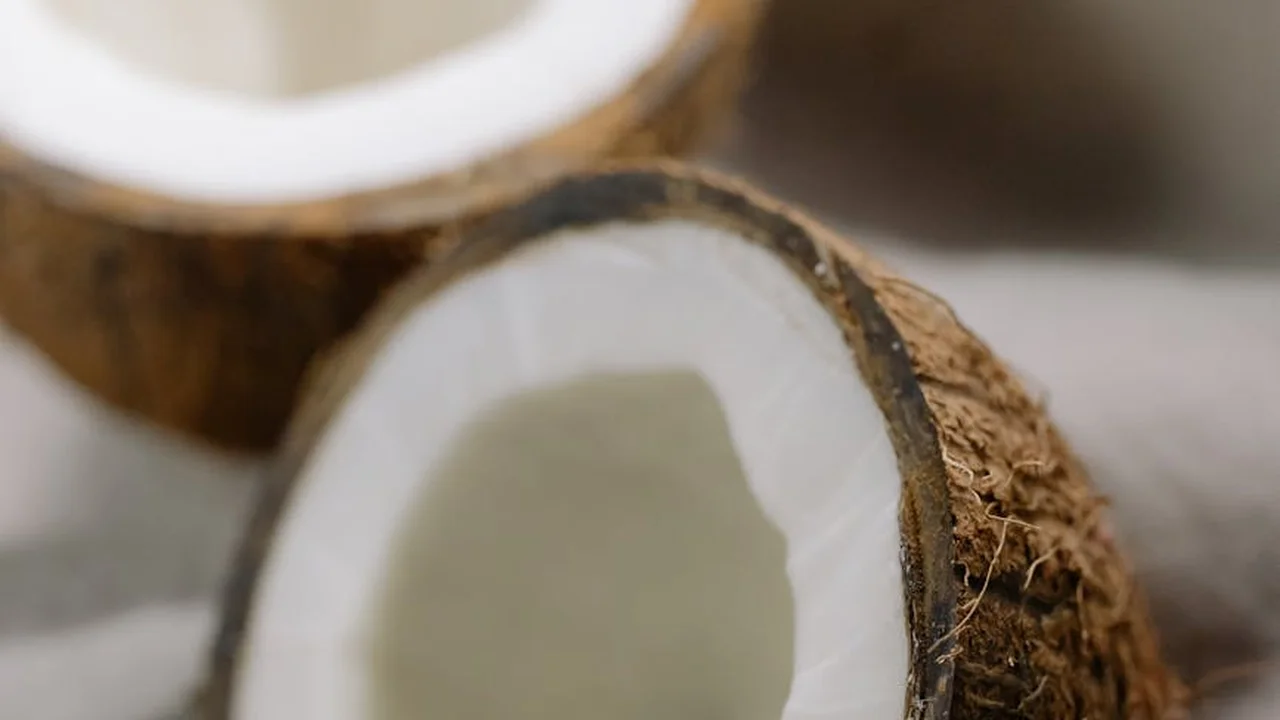
Let’s clear this up right away. You can use coconut oil as a tanning oil, but you should not use it *for protection* while tanning. Those are two very different goals.
I keep a jar of virgin coconut oil on my shelf for cooking and skin conditioning, but I keep my mineral sunscreen right next to it. They are not interchangeable.
Coconut oil has a natural SPF, but it’s incredibly low-between 4 and 7. Think of SPF 30+ sunscreen as a technical sun hoodie designed for a hike. Coconut oil is more like a thin, worn-in cotton t-shirt. It might block a tiny bit of sun, but you wouldn’t rely on it for a full day outside. Even coconut oil isn’t effective in soothing sunburned skin or providing adequate protection.
This low SPF might slightly delay a sunburn, but it offers almost no shield against UVA rays, the ones that cause premature aging and deeper skin damage. You could be getting a “nice tan” while silently accumulating long-term harm.
How People Use It: The Tanning Accelerant Logic
So, can coconut oil help you tan? Yes, but it’s a specific mechanism. Its rich, emollient nature helps your skin retain moisture.
Well-hydrated, plump skin cells may peel less. Since peeling sheds your tan, reducing that can make your color appear faster and look darker and more even. That’s the core logic.
The trade-off is stark: aiming for a faster tan this way means inviting faster UV damage if you aren’t properly shielded with real sunscreen first.
If you understand that risk, the perceived coconut oil tanning benefits people talk about are:
- Intense moisture that can prevent ashy, peeling skin.
- The potential for a more even, longer-lasting color.
- A light, tropical scent that feels like summer in a jar.
A Word on Indoor Tanning Beds
Can you use coconut oil for indoor tanning? My firm advice is to avoid it. The concentrated UV exposure from a bed is intense enough without adding an oil that may increase photosensitivity.
Practically, most salons strictly prohibit any external oils or lotions not purchased from them. These oils can degrade the acrylic surfaces of the bed, leading to cloudy panels and costly replacements.
Its best and safest use here is strictly as a deeply nourishing aftercare moisturizer applied after you shower post-session, never before.
Your Skin Type & Coconut Oil: A Personal Match?
Your skin’s needs should guide every product choice. Let’s do a quick check.
If you have acne-prone or oily skin, I advise caution. I’ve seen many conversations on forums where people ask about “coconut oil tanning reddit acne” and the stories often end with breakouts.
Coconut oil is considered comedogenic, meaning it can clog pores for many people. Especially for acne-prone skin, mixed with sweat and heat, it can create a perfect environment for bacteria. A lighter, non-comedogenic oil like fractionated coconut oil or jojoba might be a better test.
For dry skin, it’s a fantastic conditioner, both before and after sun. For sensitive skin, always do a patch test on your inner arm 24 hours before using it in the sun. UV exposure can make your skin more reactive to anything you’ve applied.
Reading Between the Lines: What Online Reviews Really Say
When you read through coconut oil tanning reviews and threads, a clear pattern emerges. People adore the luxurious feel, the golden glow it gives the skin, and its cheap, natural appeal.
You’ll see phrases like “best tan ever” right next to “I got fried.”
The consensus from those who’ve tried it is clear: it is a tanning enhancer, not a protective sunscreen, and treating it as such leads to burns. The community wisdom is to use it knowingly, or to mix a small amount with your regular sunscreen for extra moisture without sacrificing safety.
How to Use Coconut Oil with the Sun (Safely)
Think of coconut oil as a sun companion, not a shield. My safety-first protocol always starts with a broad-spectrum sunscreen as the base layer. While coconut oil has its benefits for moisturizing and soothing skin conditions, it shouldn’t replace sunscreen.
Coconut oil adds moisture and a subtle glow. It is an addition to your sunscreen, never a replacement for it.
Your Pre-Sun Preparation
Apply your regular sunscreen first. Wait for it to absorb fully.
Then, add a light layer of coconut oil over the top. I use a thin coat to avoid blocking pores.
Use it on areas that tan easily, like your legs. For your face, chest, and shoulders, keep high-SPF sunscreen as your main protection.
Tanning your face with coconut oil? Be very careful. Always use a dedicated facial SPF underneath, and consider skipping the oil on sensitive areas.
The Essential After-Sun Soother
This is where coconut oil excels. After sun exposure, it soothes and replenishes skin like nothing else. Beyond sun care, it also calms irritated skin after shaving and hair removal. It’s a simple, natural step in any post-shave routine.
Take a cool shower to calm your skin. Pat dry gently.
Apply coconut oil while your skin is still damp to lock in moisture. It feels cooling and comforting.
For extra calm, I add a drop of lavender essential oil to my jar. Remember, always dilute essential oils properly to avoid irritation.
The Real Risks: What’s at Stake When You Skip Sunscreen
Sunburn is just the immediate warning. Cumulative UV exposure leads to photoaging, hyperpigmentation, and higher skin cancer risk.
UVA rays are the silent aging rays. They break down collagen deep in your skin.
Over time, this causes leathery texture, wrinkles, and dark spots. You might not see it today, but your skin remembers.
Coconut oil feeds your skin topically. UV radiation actively breaks it down. The nourishment can’t offset the structural damage from the sun. People often ask do natural tanning oils work and which are most effective for skin darkening and sun care. We’ll look at which options are most effective and safe.
If You Choose to Use It Alone: A Frank Checklist
If you insist on using coconut oil alone, follow this checklist. It outlines steps for absolute minimal risk, but I don’t recommend it. If you’re exploring coconut oil cooking and baking, you’ll find practical techniques and recipes useful. The next steps will include implicit links to coconut oil cooking, baking, recipes, and techniques.
- Limit exposure to 20 minutes maximum.
- Avoid peak sun hours from 10 a.m. to 2 p.m.
- Never use it on your first spring sun exposure.
- Reapply the oil every hour as it absorbs or washes off.
After this checklist, my strong advice is to always pair coconut oil with sunscreen. Your skin will thank you for the combined care.
Beyond Coconut: Other Botanical Oils and the Sun
People often ask me about other oils from their kitchen or apothecary shelf. The question “can you tan with olive oil” comes up almost as much as the one about coconut oil.
My experience is similar. Olive oil feels a bit lighter than coconut oil but just as greasy on the skin. It creates a slick surface that might help you tan a little faster by attracting and concentrating sunlight. This is not a good thing, as it also means you are burning and damaging your skin faster.
Lighter oils, like sweet almond or jojoba, soak in more quickly. They feel beautiful on the skin but offer virtually no shield from UV rays. Think of them like a thin silk scarf on a bright day, they cover you but the light gets right through.
Oils with Natural SPF: A Closer Look
Some oils do have measurable sun-protective factors. I keep a small bottle of raspberry seed oil on my shelf for its lovely skin-nourishing properties. Carrot seed oil is another one that gets mentioned often.
Studies suggest raspberry seed oil can have an SPF as high as 28-50, and carrot seed oil around 35-40. That sounds impressive, right?
You cannot rely on these oils as your only form of sun protection. The SPF values from studies are not consistent or regulated for real-world use. The protection is uneven, it washes off easily, and most people do not apply nearly enough oil to achieve those lab results.
The Golden Rule for Oils and Sunshine
After years of blending and observing, my rule is simple.
No single botanical oil is a safe, standalone sunblock. Their best and safest role is in nourishing your skin’s health.
I love using a light layer of jojoba or almond oil on damp skin before I head outside. It helps keep my skin hydrated under my proper, broad-spectrum sunscreen. After sun exposure, a blend with a few drops of lavender essential oil in aloe vera or coconut oil can be incredibly soothing.
Enjoy oils for the wonderful texture and care they provide. For sun defense, trust in products specifically designed and tested for that vital job.
Your Questions, Answered
Can I mix coconut oil with my sunscreen for a better tan?
Yes, but only if you apply your broad-spectrum sunscreen first as your essential protective base layer. A thin layer of coconut oil on top can add extra moisture for a dewy glow, but never mix them together in your hand, as this can dilute the sunscreen’s effectiveness. When layering oils and sunscreen, it’s crucial to apply them correctly for sun protection.
I have acne-prone skin. Will using coconut oil in the sun cause breakouts?
It very well might, as coconut oil is comedogenic and can clog pores, especially when mixed with sweat and heat. If you want to try it, do a patch test first and consider a lighter, non-comedogenic oil like jojoba or fractionated coconut oil instead.
Are store-bought “coconut oil tanning oils” or sprays any safer?
Not necessarily-always check the label. Many commercial tanning oils prioritize fast color over protection, so look for one that lists a reliable, broad-spectrum SPF of 30 or higher to ensure you’re getting real defense against UV damage.
What’s the best way to use coconut oil after sun exposure?
This is where it truly shines. After a cool shower, apply a light layer to damp skin to lock in moisture and soothe warmth. For extra calming, I like to add a drop of lavender essential oil to my jar (properly diluted).
Why do people love using coconut oil for tanning if it’s risky?
It delivers intense moisture that can lead to a faster, more even-looking tan by preventing dry, peeling skin. The appeal is in that accelerated glow and natural feel, but it’s a trade-off that requires the vigilant use of proper sunscreen to manage the risk.
Sun Care with Coconut Oil: A Herbalist’s Perspective
Remember, coconut oil is a wonderful moisturizer but a poor shield against UV rays. Some people consider coconut oil a natural sun care option, but it should not be relied on as your sole sunscreen. For safe sun exposure, always use it after your trusted sunscreen, not as a replacement.
I share more hands-on tips for oils in daily life right here on the blog. Trust your own experience as you blend these botanical treasures into your routine for body, skin, and home.
Related Guides and Information
- Coconut Oil for Tanning: What You Need to Know
- Okay-Exactly How Bad Is It to Tan With Coconut Oil?
- Ask a Dermatologist: Using Coconut Oil For Tanning
- Coconut Oil for Tanning: What You Need to Know – B&B Organics
Noemi Kamińska
Noemi is an accomplished wellness researcher, nutrition care guide and body care expert. She has years of experience in formulating various oil combinations for full body wellness including face, hair, body care, essential oils and cooking oils. She works as a bio-formulator working with oil chemistry and analyzing the best formulations when it comes to your needs. Feel free to reach out to get your oil needs sorted.